A household water system is a bit like a car. When everything works properly, you rarely think about what’s happening behind the scenes. But ignore routine maintenance for long enough, and sooner or later, something demands your attention.
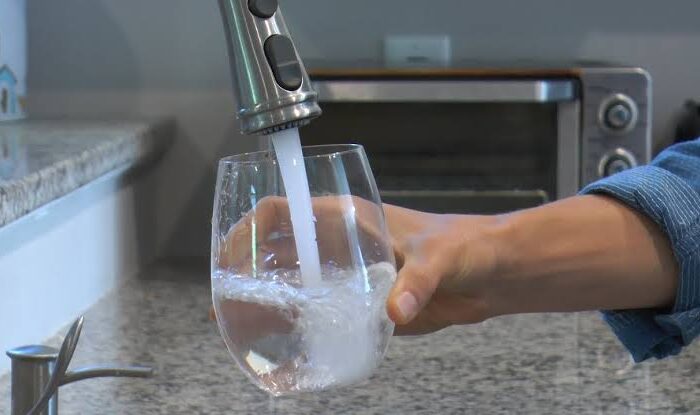
Perhaps the shower pressure begins to fluctuate, a pump starts making an unfamiliar sound, or drinking water develops an unpleasant taste.
For homeowners across Vancouver Island, looking after water equipment is an essential part of maintaining a comfortable and functional property.
Access to reliable water system care and maintenance guidance can help homeowners prevent avoidable breakdowns, protect equipment, and manage everyday water requirements more effectively.
Fortunately, many maintenance tasks are relatively straightforward. The trick is knowing what to look for and when to take action.
Getting Familiar With Your Household Water System
Before establishing a maintenance routine, take some time to understand how your water system operates.
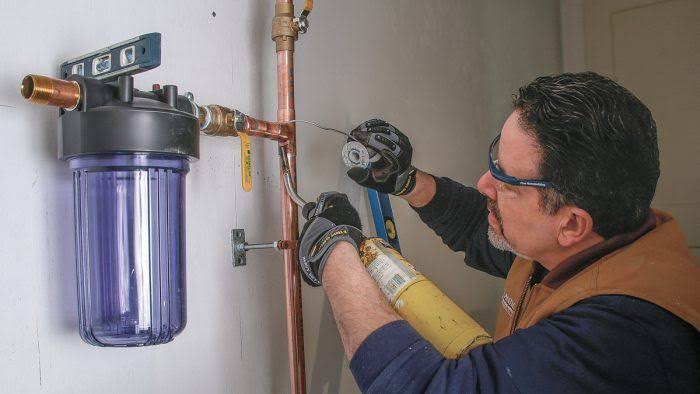
Depending on the property, it may include a well pump, pressure tank, filtration unit, water softener, storage tank, or ultraviolet disinfection equipment.
Each component performs a different function, and problems with one can sometimes affect the performance of another.
For instance, a clogged filtration cartridge may restrict water flow, making it seem as though the pump isn’t operating properly.
Knowing where equipment is located and keeping manufacturer instructions readily available can make maintenance much easier.
It’s also worth familiarizing yourself with the location of the main water shutoff valve. You might not need it often, but you’ll appreciate knowing where it is if a leak develops unexpectedly.
Recognizing Problems Before They Become Expensive
Water equipment often provides subtle warning signs before a significant breakdown occurs. Unfortunately, these signs are easy to overlook when life gets busy.
When troubleshooting water system issues, begin by observing changes in water pressure, equipment sounds, operating frequency, and water appearance.
A pump that switches on and off unusually frequently may indicate a pressure tank problem, a leak, or another underlying concern.
Reduced flow could result from a blocked filter or mineral accumulation within plumbing fixtures.
Unusual vibrations or persistent mechanical noises also deserve attention.
Rather than immediately purchasing replacement equipment, investigate the possible causes. A relatively inexpensive component may be responsible for what initially appears to be a much larger problem.
For electrical faults, pressurized equipment repairs, or complicated pump problems, contacting a qualified technician is the safer option.
Keeping Water Filters Clean and Effective
Filtration equipment works quietly in the background, which makes it particularly easy to forget about maintenance.
Over time, filter cartridges can become clogged with sediment or reach the limits of their treatment capacity.
A noticeable reduction in water flow sometimes indicates that replacement is needed. However, not every decline in filter performance produces obvious symptoms.
Following manufacturer replacement schedules is more dependable than waiting for something to go wrong.
When purchasing replacement cartridges, check compatibility with your existing filtration housing and treatment requirements.
Choosing an unsuitable cartridge may affect water flow or fail to provide the intended contaminant reduction.
A reminder on your phone or a handwritten note beside the equipment can help you remember replacement dates. Nothing fancy, just something that works.
Looking After Pumps and Pressure Tanks
Properties relying on private wells or independent water storage systems depend heavily on reliable pumping equipment.
Pay attention to unusual operating sounds, frequent cycling, inconsistent pressure, and visible leaks around accessible connections.
Pressure tanks also deserve periodic professional inspection, particularly when water delivery becomes unpredictable.
Avoid adjusting pressure settings or dismantling electrical components without appropriate knowledge and experience.
Properly maintained pumping arrangements can help reduce unnecessary equipment strain and improve the reliability of household water delivery.
Finding Helpful Information for Routine Equipment Maintenance
Not everyone feels comfortable working with water equipment, and that’s perfectly understandable. Technical manuals aren’t exactly relaxing weekend reading.
Fortunately, dependable water equipment upkeep resources can help homeowners understand servicing requirements, identify compatible replacement parts, and recognize situations requiring professional assistance.
Manufacturer instructions, technical product guides, and advice from knowledgeable water equipment suppliers are useful starting points.
Keep track of equipment model numbers, installation dates, warranty information, and previous servicing records.
These details can save considerable time when ordering replacement components or discussing a problem with a technician.
Having everything organized in one place makes maintenance feel much less overwhelming.
Preparing Outdoor Water Equipment for Seasonal Changes
Vancouver Island’s changing weather brings different maintenance responsibilities throughout the year.
During warmer months, irrigation equipment and outdoor pumps may experience increased demand. Inspect hoses, connections, and sprinkler components for leaks or blockages.
Before colder weather arrives, consider whether exposed pipes and outdoor equipment require draining or protection against freezing.
Rainwater storage systems and drainage equipment may also need attention ahead of wetter periods.
For private well owners, regular laboratory testing remains important, especially following flooding, repairs, or unexpected changes in water quality.
Seasonal preparation doesn’t need to consume an entire weekend. A few well-planned maintenance tasks can prevent considerable inconvenience later.
A Little Regular Attention Goes a Long Way
Maintaining a household water system isn’t about constantly inspecting every pipe, valve, and filter. It’s about developing sensible habits that help keep essential equipment working reliably.
Replace components when necessary, investigate unusual changes, and seek professional assistance when problems exceed your experience.
For Vancouver Island homeowners, these small efforts can contribute to more dependable water delivery and fewer unexpected maintenance expenses.
After all, nobody wants to spend a peaceful Saturday dealing with a malfunctioning pump or a completely blocked filter.
A well-maintained water system should quietly support your everyday life, leaving you with more time to enjoy your home rather than worry about keeping everything running.