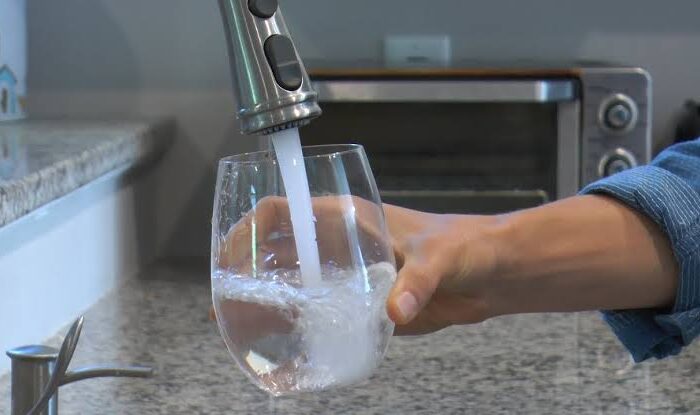
There’s something unsettling about turning on the kitchen faucet and noticing tiny particles floating in your glass. Perhaps you’ve also experienced an unpleasant chlorine smell while taking a shower or discovered fine debris collecting around bathroom fixtures. These concerns aren’t always connected, but they certainly make homeowners question the quality of their water.
Installing suitable sediment filters can help capture suspended materials such as sand, rust, and dirt before they travel through connected household plumbing.
However, removing visible particles is only one part of improving water quality. Combining different filtration technologies can help address other concerns, including unwanted tastes and odors. The trick is understanding how these systems work and choosing equipment that genuinely suits your home.
Where Does Sediment in Household Water Come From?
Water travels through various environments before reaching your faucet. Along the way, it may encounter naturally occurring materials, aging pipes, or disturbed deposits within distribution networks.
Private wells can sometimes introduce sand and fine particles into household water supplies. Municipal customers may experience temporary sediment problems following nearby water main repairs or other disturbances.
Although these particles aren’t always harmful, they can create practical inconveniences. Faucet aerators may become clogged, showerheads might require more frequent cleaning, and certain plumbing components can accumulate debris.
Persistent sediment problems deserve investigation, particularly when they appear suddenly.
Installing appropriate filtration can help manage suspended particles, but addressing underlying plumbing or water supply problems remains equally important.
Why Combining Sediment and Carbon Filtration Makes Sense
Water quality concerns aren’t necessarily limited to things you can see. Sometimes, the bigger frustration is an unpleasant taste or smell that makes ordinary household water less enjoyable.
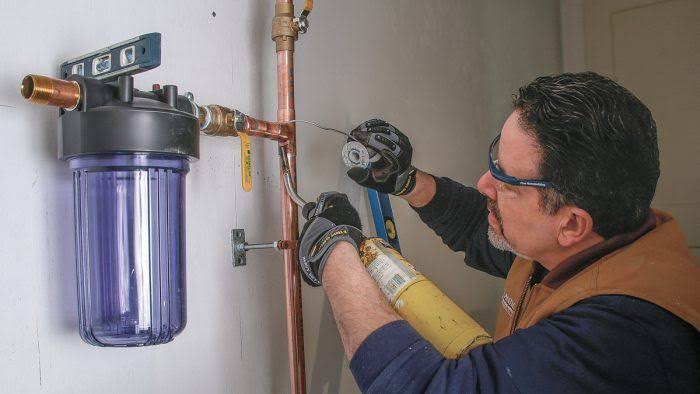
A properly designed whole-home sediment and carbon filtration system combines two complementary treatment methods, addressing suspended particles alongside certain unwanted tastes, odors, and contaminants.
The sediment filtration stage captures physical debris, while activated carbon uses adsorption to retain specific substances on its porous surface.
Positioning particle filtration before carbon treatment can help protect subsequent filtration components from excessive debris accumulation.
It’s a practical arrangement, especially for households experiencing several water quality concerns simultaneously.
However, neither technology should be expected to remove every possible contaminant. Additional treatment may be necessary depending on the results of appropriate water testing.
Choosing Equipment That Suits Your Property
Shopping for filtration equipment can become confusing rather quickly. There are different cartridge sizes, filtration ratings, media types, and system configurations to consider.
When comparing residential whole-house filters, homeowners should pay particular attention to incoming water conditions, peak household demand, treatment capabilities, and replacement component availability.
A smaller household may have relatively modest water consumption, while a busy family might regularly operate several fixtures and appliances simultaneously.
Choosing undersized equipment could result in restricted water flow or frequent cartridge replacements.
Filtration ratings matter, too. A cartridge designed to capture extremely fine particles may clog unnecessarily quickly if the incoming water contains substantial amounts of larger debris.
Getting the balance right helps support effective treatment without making everyday water usage inconvenient.
Understanding the Everyday Benefits of Centralized Filtration
Most people initially think about improving drinking water. But household water quality influences plenty of other activities throughout the day.
Imagine taking a warm shower without noticing an objectionable disinfectant smell or finding fewer visible particles collecting inside bathroom faucet aerators.
Depending on your original water conditions, appropriate filtration may help make these ordinary experiences more pleasant.
There’s also something appealing about maintaining treatment equipment in one centralized location rather than replacing individual filters around the house.
For busy families, that convenience can make a meaningful difference.
Still, centralized filtration needs to be properly configured so that connected fixtures receive treated water without unnecessary pressure restrictions.
What Ordinary Filtration Cannot Accomplish
One common misunderstanding is that removing visible impurities automatically solves every water quality concern.
Unfortunately, water treatment isn’t quite that simple.
Dissolved calcium and magnesium generally pass through ordinary particle and carbon filtration media. If you’re dealing with persistent limescale deposits, conventional water softening may be a more appropriate solution.
Certain dissolved contaminants may require specialized membrane filtration or other treatment technologies.
Private well owners may also need appropriate disinfection equipment if testing identifies microbial concerns.
Rather than purchasing an elaborate filtration arrangement based on advertising claims, begin with reliable water testing.
Understanding the limitations of each technology helps homeowners make informed purchasing decisions and establish realistic expectations.
Keeping Your Filtration Equipment Working Reliably
Once a filtration system is installed, it’s remarkably easy to forget about it. After all, most equipment operates quietly behind the scenes.
Nevertheless, cartridges gradually accumulate debris, and activated carbon eventually loses its treatment capacity.
Following manufacturer replacement recommendations helps maintain filtration performance and suitable household water flow.
Before purchasing equipment, ask about replacement cartridge costs, servicing requirements, and maintenance accessibility.
Keeping a simple record of replacement dates can prevent overlooked maintenance tasks.
Periodic testing is particularly important when filtration equipment is intended to reduce potentially harmful contaminants. Remember that clearer water or improved taste alone doesn’t establish drinking water safety.
Making Better Water a Practical Household Investment
Improving household water quality doesn’t need to involve unnecessarily complicated equipment or expensive maintenance routines.
Start by understanding your incoming water conditions, identify the concerns that matter most, and select filtration technologies with demonstrated treatment capabilities.
A thoughtfully designed system can help manage unwanted particles and certain unpleasant tastes or odors while simplifying everyday household maintenance.
Ultimately, better water is about making familiar experiences more enjoyable. Whether you’re preparing breakfast, taking a relaxing shower, or simply filling a glass at the kitchen sink, suitable filtration can quietly contribute to a more comfortable home.
And sometimes, those little improvements are the ones you appreciate most.