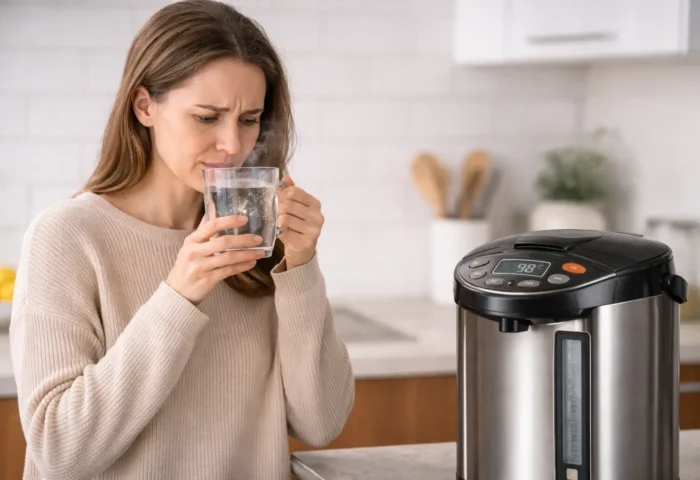
Most of us turn on the kitchen tap without giving it a second thought. We fill a glass, rinse vegetables, make coffee, and carry on with the day. Water is one of those everyday essentials that quietly does its job—until something makes us question it. Maybe the taste seems unusual, the kettle develops stubborn deposits, or a news story about drinking water contamination gets us thinking.
It’s reasonable to wonder what’s flowing through your pipes. Although public water supplies are treated and monitored, water quality can vary depending on the source, local conditions, and plumbing inside a building. Private wells have their own considerations, too. Understanding common contaminants is a useful first step toward deciding whether testing or additional treatment makes sense for your household.
Why Water Can Look Clean but Still Need Testing
Clear water isn’t necessarily free from contaminants. Some substances affect taste, smell, or appearance, while others may be present without any obvious warning signs. That’s why judging water quality by sight alone can be misleading.
Municipal water providers generally treat water to meet applicable drinking-water standards. However, contamination can sometimes occur as water travels through distribution pipes or household plumbing. Homes with older plumbing may face additional concerns, particularly if fixtures, solder, or service lines contain materials that can enter the water.
Private wells require a different approach because their quality depends on local geology, nearby land use, well construction, and maintenance. Heavy rainfall, flooding, agricultural activity, or changes in groundwater conditions can affect what ends up in the supply.
A laboratory test offers a clearer picture than guesswork. The right test depends on where your water comes from and what risks are relevant locally. If you’re unsure, a certified laboratory or local public health authority can help identify which contaminants should be checked.
Lead: A Concern That Can Come From Household Plumbing
One contaminant worth understanding is lead, a toxic metal that can enter drinking water when water comes into contact with lead-containing pipes, plumbing materials, or fixtures. The risk depends on the materials present, water chemistry, and how long water sits in the plumbing.
Lead is especially concerning because exposure can affect the nervous system and other aspects of health. Children and pregnant people are particularly vulnerable, and exposure may occur without any change in the water’s taste, color, or smell.
Older buildings can deserve closer attention, although the age of a property alone cannot confirm whether lead is present. Some homes have had plumbing upgrades, while others may contain older components that aren’t immediately visible.
If lead is a concern, testing is the most reliable way to determine whether it is present. Until you have a clearer answer, follow advice from your local water authority or public health department. Boiling water does not remove lead and may actually concentrate it as some water evaporates.
Certified filters designed specifically to reduce lead may provide an additional protective measure. Check the product’s certification and replacement schedule carefully, since an ordinary pitcher filter should not automatically be assumed to remove lead.
Chlorine and the Taste of Tap Water
Have you ever filled a glass of water and noticed a swimming-pool-like smell? One possible reason is chlorine, which water utilities commonly use to disinfect drinking water and control harmful microorganisms.
Disinfection plays an important role in public health. It helps protect water as it travels through pipes and reduces the risk of diseases caused by pathogens. The fact that water has a slight chlorine smell doesn’t, by itself, mean it’s unsafe.
Still, taste matters. If water has a strong chemical-like odor, it can make drinking and cooking less pleasant. The smell may vary with treatment levels, temperature, and local water conditions. If the odor suddenly becomes unusually strong or the water changes noticeably, contact your supplier rather than assuming it’s normal.
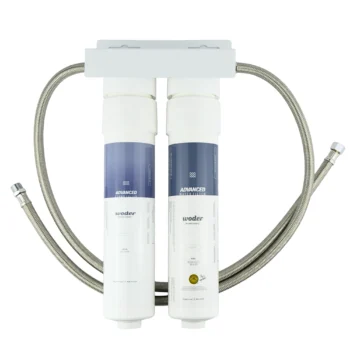
Activated carbon filters can reduce chlorine taste and odor when they’re designed for that purpose. Some refrigerator filters, faucet attachments, and under-sink units use this technology. These filters need regular replacement, though. An overdue cartridge may lose effectiveness, so check the manufacturer’s instructions instead of waiting for the taste to return.
It’s also important to remember that chlorine reduction isn’t the same as complete disinfection. A filter that improves flavor may not protect against every microorganism or chemical contaminant.
PFAS: Contaminants That Deserve Attention
Another group attracting increasing attention is PFAS, short for per- and polyfluoroalkyl substances. These are a large family of manufactured chemicals used in some industrial processes and consumer products because of their resistance to heat, water, and oil.
Certain PFAS can persist in the environment for a long time. Depending on the chemical and level of exposure, some have been associated with health concerns, which is why monitoring and research continue to be important.
PFAS can enter water supplies through several routes, including industrial releases, certain firefighting foams, and contaminated sites. Their presence isn’t something you can identify by taste or appearance. A standard home water test may not include them, so a specific laboratory analysis may be needed if local information suggests a concern.
Treatment options depend on the particular PFAS, its concentration, and the equipment used. Certain activated carbon filters, anion-exchange systems, and reverse osmosis units can reduce particular PFAS when properly designed and maintained. Performance varies, so look for independently verified reduction claims rather than relying on broad advertising language.
If you’re concerned about PFAS in your area, consult your water supplier or relevant environmental authority for available monitoring results. Testing and treatment decisions are best made with local information in hand.
Other Contaminants Worth Knowing About
Lead, chlorine, and PFAS aren’t the only substances that can affect water quality. Depending on your location and water source, testing may also need to consider nitrate, arsenic, bacteria, iron, manganese, or excessive hardness minerals.
Nitrate can be a concern in areas affected by agricultural runoff or septic systems. Arsenic may occur naturally in groundwater in some regions. Iron and manganese can cause staining or affect taste, while hard water commonly leaves scale on taps, shower screens, and heating elements.
These problems aren’t interchangeable. A softener may reduce hardness, but it isn’t designed to remove every health-related contaminant. A carbon filter can improve taste but may not address nitrate or dissolved salts. Choosing equipment before identifying the problem can lead to disappointing results.
How to Make Your Water Safer and More Pleasant
Start by identifying your water source and checking any available quality reports. If you use a private well, arrange testing through a qualified laboratory and follow local recommendations for routine checks. If you suspect an immediate contamination issue, contact the appropriate water or public health authority for guidance.
Next, choose treatment based on verified test results. Look for products with independent certifications that match the specific contaminant you want to reduce. Read the fine print, confirm that replacement filters are available, and understand how often the equipment needs servicing.
Don’t overlook household plumbing, either. A treatment unit cannot solve every problem that may develop between the water source and your tap. If the concern involves older pipes or fixtures, a plumber may be able to assess whether repairs or replacement are appropriate.
A More Informed Approach to Everyday Water
You don’t need to become a water-quality expert to make a sensible decision for your home. You simply need reliable information, a clear understanding of your concerns, and equipment suited to the job.
Water that looks clean may still deserve testing, while an unusual taste doesn’t automatically mean there’s a serious health risk. The important thing is to avoid assumptions in either direction.
With appropriate testing, careful product selection, and regular maintenance, you can address specific water-quality concerns without spending money on unnecessary equipment. It’s a practical way to protect your household and feel more confident about something you use every single day.