Water problems don’t always announce themselves in obvious ways. Sometimes it’s a strange taste in your morning coffee, white residue around the kitchen faucet, or a shower that leaves your skin feeling unusually dry. Other times, nothing seems wrong at all, which is precisely why homeowners may overlook what’s happening with their water.
Whether you’re using municipal water or relying on a private well, understanding its quality can help you make better decisions about your home. Rather than guessing or purchasing filtration equipment based on advertisements, a proper water test gives you something much more useful: actual information.
When Is It Time to Test Your Household Water?
Most people consider testing their water after noticing a change. Perhaps the water smells different, laundry has developed unexpected stains, or scale keeps accumulating inside appliances. These signs can point toward water quality issues, although they don’t always reveal the exact cause.
There are also situations where testing makes sense even when the water appears perfectly normal. Moving into a new property, using a private well, changing plumbing, or having concerns about the water source are all reasonable reasons to investigate.
If you’re unsure where to begin, it’s a good idea to request a home water quality test rather than trying to identify the problem yourself. Testing can help establish whether the concern involves hardness, sediment, pH, dissolved minerals, or a specific contaminant that requires further attention.
Water testing isn’t something homeowners need to do out of fear. It’s simply a practical way of understanding what’s being used every day for drinking, cooking, bathing, and cleaning.
What Happens During a Water Quality Test?
The testing process is generally straightforward, although the exact method depends on the water source and the concerns being investigated. A professional may collect samples from selected taps, inspect existing plumbing, ask about noticeable changes, and determine which parameters should be tested.
Some basic tests measure hardness, pH, chlorine, iron, or total dissolved solids. More detailed laboratory testing may be needed for substances such as arsenic, lead, nitrates, or microbiological contamination.
Sample collection matters more than many people realize. Improper handling, unsuitable containers, or delays in testing can affect certain results. That’s why following laboratory instructions or using a qualified testing professional is important, particularly when checking for health-related contaminants.
A good testing process should also explain what is being measured and why. Customers shouldn’t feel like they’re receiving a mysterious collection of numbers without any context.
Making Sense of the Results
Receiving a water report can feel a little overwhelming, especially when it includes unfamiliar units and technical terminology. However, reviewing water test results becomes much easier when you focus on the specific issue that prompted the test.
For example, high hardness levels may explain scale on showerheads, cloudy glassware, or reduced soap efficiency. Elevated iron can contribute to reddish stains, while certain dissolved substances may affect taste. Chlorine levels can help explain a noticeable disinfectant odor in municipal water.
It’s also important to understand that not every unusual reading represents a health risk. Some measurements relate primarily to appearance, taste, odor, or plumbing performance. Others may have health implications and require more careful evaluation against appropriate standards.
A useful water report doesn’t just list results. It helps explain what they mean, which findings deserve attention, and whether additional testing is recommended.
Understanding the Possibility of Contamination
One of the biggest misconceptions about water is that clear water must be clean. Unfortunately, many substances can’t be detected by sight, smell, or taste alone.
Learning about understanding potential water contamination is particularly important for households using groundwater, private wells, or water sources that may be affected by nearby agricultural, industrial, or environmental activities.
Potential concerns can include bacteria, nitrates, heavy metals, pesticides, and other substances depending on the location and source. The risks aren’t identical everywhere, so testing should be based on the water supply and relevant local conditions rather than a generic checklist.
If a test identifies a contaminant above an applicable health guideline, follow the recommendations from the testing laboratory or relevant public health authority. Some situations may require an alternative drinking water source while the issue is investigated or corrected.
Choosing the Right Water Treatment Solution
Once the water has been tested, treatment decisions should be based on the findings instead of assumptions. Different technologies are designed for different purposes, and no single filter removes everything.
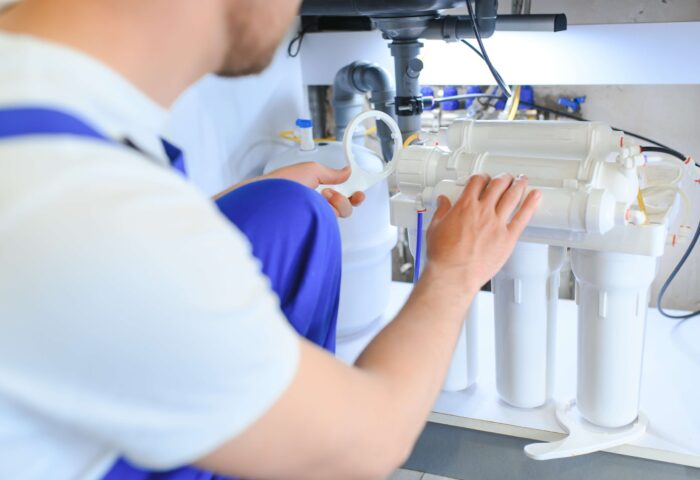
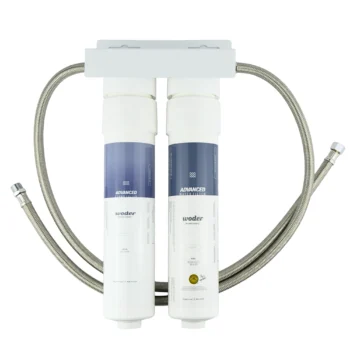
Water softeners are commonly used to address hardness. Sediment filtration helps remove suspended particles, while activated carbon can improve taste and odor and reduce certain substances. Reverse osmosis may be appropriate for reducing specific dissolved contaminants when the system is selected correctly.
For households with multiple concerns, a combination of treatment methods may be needed. However, installing more equipment isn’t necessarily better. The system should match the water quality, household usage, available space, and maintenance budget.
Professional guidance can be helpful here, particularly when test results contain several parameters that need to be interpreted together.
Making Water Quality Part of Home Maintenance
Most homeowners already make time for basic maintenance, whether it’s servicing an air conditioner, checking plumbing leaks, or cleaning water heaters. Water quality deserves similar attention.
Testing at appropriate intervals, keeping track of previous reports, and maintaining filtration equipment can help prevent small problems from becoming expensive headaches. It also provides a useful record if water conditions change over time.
Better water begins with better information. A test gives you a clearer understanding of what’s happening, while the right advice helps turn those findings into practical improvements.
You don’t have to become a water quality expert to make a smart decision. Start with a few questions, get reliable test results, and take things one step at a time. Sometimes the simplest approach is the one that gives you the most confidence.