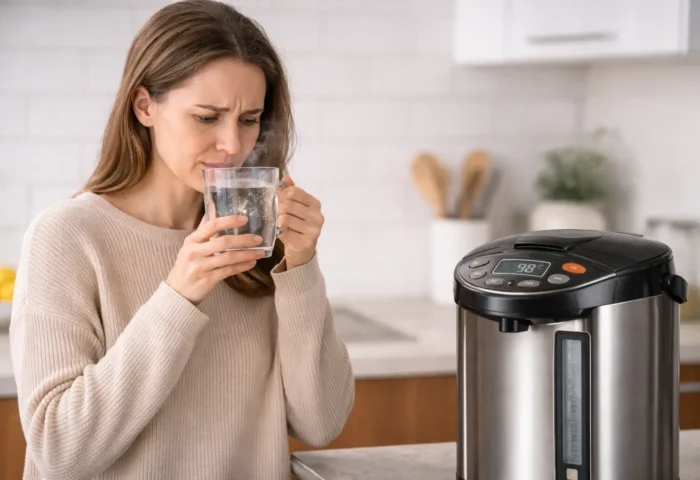
Most of us don’t think much about water until something changes. Maybe your morning coffee tastes a little different, white marks keep appearing on the bathroom taps, or you find yourself cleaning the kettle more often than usual. These things aren’t necessarily serious, but they’re enough to make you wonder what’s going on.
Water travels a long way before it reaches a household faucet. Its characteristics depend on the source, local conditions, treatment processes, and sometimes the plumbing inside the property itself. Understanding those details can help you make better decisions, whether your goal is to improve drinking water, reduce mineral buildup, or protect household equipment.
The first step isn’t buying a filter. It’s finding out what your water actually needs.
Why Water Quality Matters More Than You Might Think
The water used for cooking, bathing, laundry, and cleaning affects everyday life in ways that are easy to overlook. When mineral levels are high, soap may not lather as easily and deposits can collect on shower screens or heating elements. Sediment may settle in fixtures, while certain dissolved substances can affect taste or smell.
Understanding water quality means looking beyond what you can see in a glass. Clear water isn’t automatically free of every contaminant, and an unusual taste doesn’t necessarily mean the supply is unsafe. Different issues require different methods of investigation.
For example, white crust around a faucet may be associated with hard water, which contains calcium and magnesium. Orange stains can sometimes indicate iron, while a chlorine taste may be related to the treatment used in a municipal supply. These clues can help you decide what to investigate, but they aren’t a substitute for testing.
Water quality can also vary between neighbouring homes. One property might use a municipal supply, while another relies on a private well. Even homes receiving water from the same source can have different plumbing conditions. That’s why copying a neighbour’s treatment setup isn’t always the best approach.
Testing Gives You a More Useful Starting Point
When something seems wrong with your water, guessing can become expensive. You might buy a filter that improves taste but does nothing about the mineral buildup that prompted the purchase. Or you could invest in a complicated system when a simpler option would have been enough.
A suitable water test helps narrow down the possibilities. Depending on the source and your concerns, testing may examine hardness, pH, iron, dissolved solids, bacteria, or specific contaminants. The right combination depends on local conditions and the reason for testing.
If you’re concerned about health-related contaminants, make sure the testing method is appropriate for those substances. A basic in-home screening may provide useful information about hardness or selected characteristics, but it cannot establish that water is safe from every possible contaminant. Some concerns require analysis by a certified laboratory.
Private well owners should pay particular attention to regular testing because conditions can change after heavy rainfall, flooding, nearby land-use changes, or well maintenance. Municipal water customers can also review their supplier’s water-quality report, although household plumbing may introduce separate concerns.
How Advanced Technology Can Help
Once you understand the results, choosing a treatment method becomes much more straightforward. Different systems are designed to address different issues, and modern equipment can make treatment more convenient when it’s selected correctly.
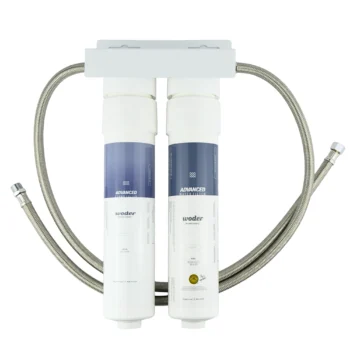
For example, advanced technology in water treatment may include multi-stage filtration, membrane-based systems, monitoring controls, or equipment designed to adjust operation according to household demand. These features can be useful, but a long list of technical specifications doesn’t automatically make a system the right choice.
Activated carbon filters can reduce certain tastes, odors, and selected compounds. Sediment filters capture particles, while conventional water softeners use ion exchange to reduce calcium and magnesium. Reverse osmosis systems can reduce a range of dissolved substances, depending on the model and its verified performance.
The key is to match the technology to the problem. A softener isn’t a universal purifier, and a general-purpose filter shouldn’t be assumed to remove every unwanted substance. If testing identifies a particular concern, check the product’s certification and performance documentation to confirm that it’s designed to address it.
It’s also worth thinking about how much water your household uses. A small drinking-water filter may be perfectly adequate for one kitchen tap, while a whole-house system needs enough capacity to serve showers, appliances, and multiple fixtures without creating an inconvenient drop in pressure.
Choosing a System That Fits Everyday Life
Treatment equipment should make life easier, not create another complicated household responsibility. Before choosing a system, consider where treatment is needed, how much space is available, and whether you’re comfortable handling routine maintenance.
Whole-house systems treat incoming water before it reaches most fixtures. They’re often considered when the goal is to address a concern throughout the property. Point-of-use systems, by contrast, treat water at a specific tap or appliance and may be more practical when the main concern is drinking and cooking water.
The purchase price is only one part of the decision. Replacement cartridges, salt for a conventional softener, membrane changes, electricity, water usage, and servicing can affect the long-term cost. Ask the supplier to explain the maintenance schedule and the likely expense of replacement parts.
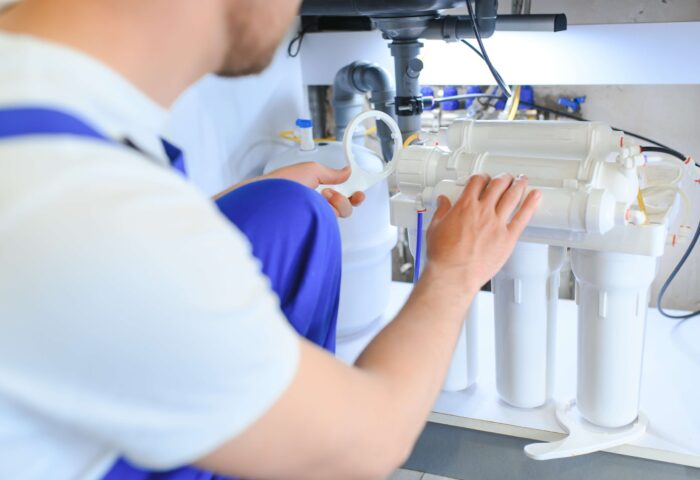
Installation deserves attention as well. Equipment must be correctly sized, connected according to manufacturer instructions, and placed where it can be inspected and serviced. If plumbing modifications or electrical connections are required, professional installation may be the sensible option.
Take the First Step Toward Better Water
It’s easy to put water concerns on the back burner, especially when the problem seems small. Still, recurring scale, staining, unusual odors, or changes in taste are worth investigating rather than simply working around them.
If you’re unsure where to begin, schedule your free water test to learn more about the characteristics of your household water and which treatment options may be appropriate. Before arranging a test, ask what it measures, whether laboratory analysis is included, and whether you’ll receive a written report. A free screening can be a helpful starting point, but more specific concerns may require additional testing.
Once you have reliable information, take time to compare your options. Ask questions, review verified performance claims, and be cautious of anyone promising that one device can solve every water problem.
Better water doesn’t necessarily require the most expensive system or the latest equipment. It starts with understanding what’s coming through your taps and choosing a practical solution for your home. With thoughtful testing, sensible equipment choices, and regular maintenance, you can feel more confident about one of the most important parts of everyday life.