Water is one of those things most of us take for granted until something feels off. Maybe your drinking water has an unusual taste, white marks keep appearing around your faucets, or your appliances seem to collect mineral deposits faster than they should. Sometimes the problem is obvious. Other times, it takes a little investigation to understand what’s happening.
The good news is that improving water quality doesn’t always require a complicated overhaul. With the right information, a suitable treatment system, and dependable service, homeowners can make practical improvements that fit their needs and budget. The trick is knowing where to begin and choosing solutions based on what the water actually contains, rather than guessing.
Start by Understanding Your Water
Every home has different water conditions. Some properties receive municipal water that’s treated before reaching the house, while others depend on private wells. Even within the same neighborhood, water quality can vary because of plumbing materials, local geology, and the condition of household pipes.
Hard water is a common example. It contains elevated levels of calcium and magnesium, which can leave cloudy glassware, stubborn bathroom stains, and mineral deposits inside water heaters. Other households may notice chlorine odors, sediment, iron staining, or concerns about microorganisms in their well water.
These issues aren’t all solved by the same equipment. A softener can reduce hardness, but it isn’t designed to remove every contaminant. A sediment filter may capture suspended particles without changing dissolved minerals. That’s why testing is such a useful first step.
Why Water Testing Makes a Difference
It’s tempting to choose a system after reading a few reviews or hearing what worked for a neighbor. Recommendations can be helpful, but water treatment isn’t a one-size-fits-all purchase. A system that performs beautifully in one house may be unnecessary or ineffective in another.
A free water analysis can help homeowners understand their starting point, provided the service explains what is tested and what the results mean. Depending on the provider, an initial assessment may include hardness, pH, chlorine, iron, or other indicators. If the concern involves potentially harmful contaminants, additional laboratory testing may be necessary.
For private wells, testing is particularly important because water can change over time. Bacteria, nitrates, and certain naturally occurring substances may not produce any noticeable change in taste, color, or smell. Clear water isn’t automatically safe water.
Ask questions before making a decision. Which results indicate a genuine concern? What can the proposed equipment remove? Are there maintenance costs or ongoing consumables to consider? Straightforward answers are a good sign that the recommendation is based on your needs, not simply on selling a product.
Choosing a System That Fits Your Household
Once the water has been evaluated, the next step is matching the treatment method to the problem. That sounds simple, although the number of available systems can make the process confusing.
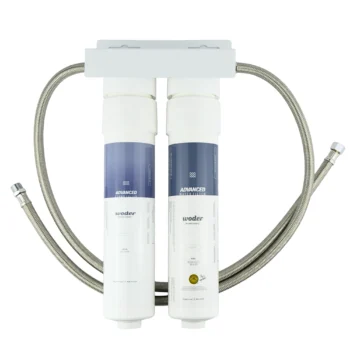
Water softeners are commonly used to address hardness. They can help reduce scale formation, make soap easier to rinse away, and limit the mineral residue left on fixtures. Reverse osmosis systems are often installed at a drinking-water tap to reduce selected dissolved substances. Carbon filtration can improve taste and odor, including those associated with chlorine, while ultraviolet treatment may be appropriate for certain microbiological concerns when designed and maintained correctly.
Some homes need only one treatment method. Others benefit from a combination of technologies. A whole-house filter, for instance, may address a specific issue entering the property, while a separate drinking-water system provides additional treatment at the kitchen sink.
Consider household size, water usage, available installation space, and the condition of existing plumbing. Think about maintenance, too. A system that fits comfortably into daily life is more likely to receive the attention it needs over the years.
Installation Is About More Than Connecting Equipment
Even a well-designed treatment system can disappoint when it isn’t installed correctly. Water flow, pressure, drainage requirements, pipe sizing, and equipment settings all affect performance. Some systems also need electrical connections, a dedicated drain, or protection against freezing.
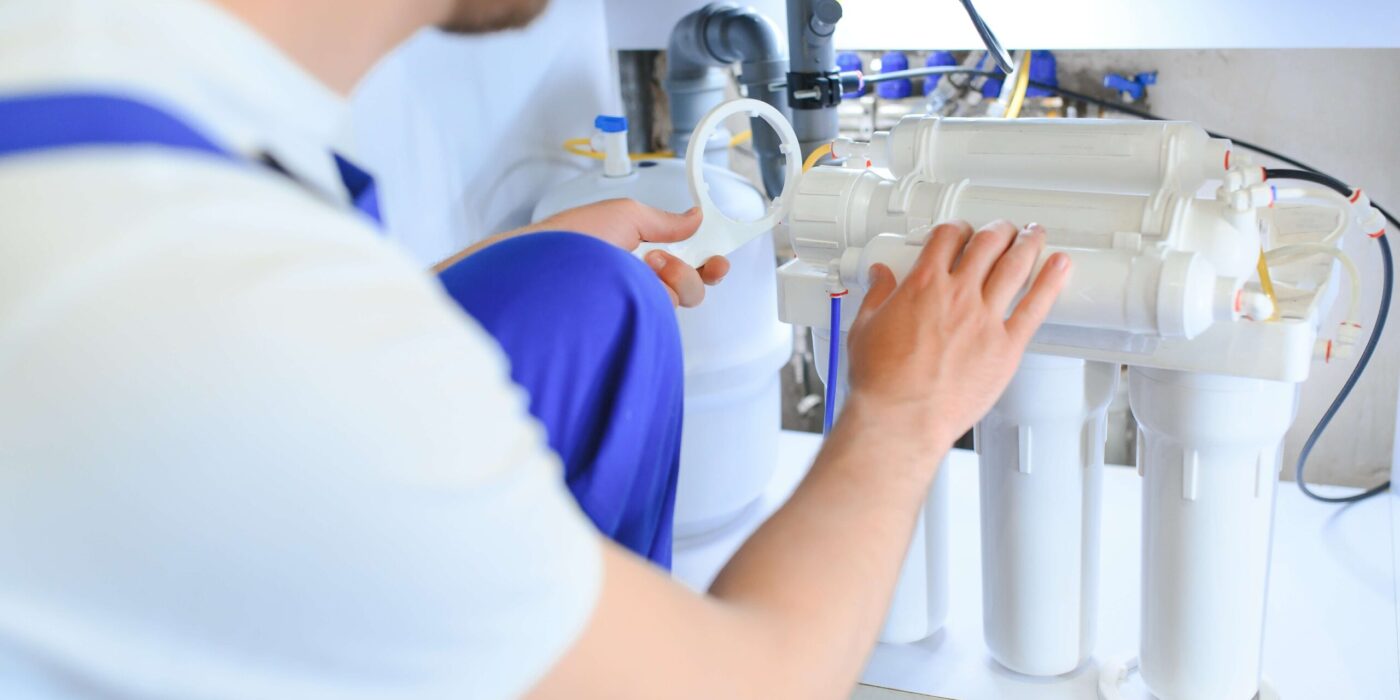
Professional installation helps account for these practical details. Before work begins, the installer should explain where the equipment will sit, how it will connect to the plumbing, and whether any changes to the existing setup are required.
Professional installation also provides an opportunity to check that the system is configured for the household’s actual water conditions. A softener, for example, needs suitable settings based on water hardness and usage. Incorrect settings may waste salt or water, while poor plumbing connections can cause leaks and other avoidable problems.
Once the equipment is in place, ask for a walkthrough. You should understand how to operate it, recognize common warning signs, and know which maintenance tasks you can handle yourself. Keep the product documentation and service details somewhere easy to find. Those small steps can save frustration later.
The Value of Ongoing Maintenance
Water treatment equipment doesn’t become maintenance-free just because it has been installed. Filters gradually collect material, ultraviolet lamps may need replacement, and softeners require appropriate salt levels or other routine attention depending on the model. Components can wear, settings can drift, and changing water conditions may call for a fresh assessment.
Following the manufacturer’s maintenance schedule helps the equipment perform as intended. Waiting until water tastes strange or pressure drops can mean a small service task has become a more disruptive problem.
Reliable ongoing support makes this process easier. A helpful provider should explain service intervals, answer questions, supply compatible replacement components, and identify when repairs or retesting may be appropriate. It is also worth asking about service costs before purchasing a system, rather than discovering them months later.
Homeowners can support good performance by keeping an eye on changes. Notice new stains, unusual odors, changes in water pressure, or alerts from the equipment. These signs don’t always mean the system has failed, but they deserve attention.
Look Beyond the Initial Price
Budget matters, and there’s nothing wrong with comparing prices. Still, the purchase price tells only part of the story. Replacement filters, salt, electricity, water usage, periodic servicing, and eventual component replacement may affect the total cost of ownership.
A less expensive unit might be perfectly suitable for a small household with a straightforward water issue. A larger property with heavy water use may need more capacity and a different design. The best choice isn’t necessarily the most expensive or the one with the longest list of features. It’s the system that addresses the identified problem reliably without adding unnecessary complexity.
Ask for a clear estimate that separates equipment, installation, and expected maintenance expenses. If a provider makes sweeping claims about health benefits or promises that one device removes every possible contaminant, request evidence and check the system’s certified performance claims.
Make Better Water a Long-Term Priority
Water quality affects everyday routines in quiet ways. It influences how your shower feels, how your glassware looks, how your appliances operate, and how confident you feel about the water your family uses. Improvements don’t have to happen all at once, and not every home needs an elaborate treatment setup.
Begin with testing, understand the results, and choose equipment that addresses the actual issue. Make sure installation is handled carefully, and plan for maintenance before it becomes an afterthought.
Most importantly, work with people who are willing to explain their recommendations and remain available after the sale. Better water isn’t just about buying a piece of equipment. It’s about making an informed decision, caring for the system properly, and having the confidence that your household’s needs are being taken seriously.