Water is one of those things most of us take for granted until something seems off. Maybe your morning tea tastes a little strange, your glass of drinking water has an unusual smell, or white marks keep appearing around the kitchen tap. These small annoyances can make you wonder what is actually coming through your pipes.
Clean water isn’t just about having something to drink. It affects cooking, bathing, cleaning, and even how well household appliances perform over time. While municipal water supplies are generally treated to meet established standards, water can still pick up minerals, sediment, or other contaminants as it travels through distribution systems and household plumbing. Private wells can present their own challenges, too.
Understanding your home’s water quality is a practical first step toward making better decisions. And thankfully, improving it doesn’t always require a complicated or expensive setup.
Why Water Quality Deserves More Attention
Water can look perfectly clear and still contain dissolved minerals or substances that affect its quality. On the other hand, some visible problems, such as cloudy water, may be temporary and harmless. Appearance alone doesn’t tell the whole story.
The first thing to consider is how your household uses water. Drinking and cooking water may need different treatment from water used for laundry, showers, or general cleaning. A family dealing with hard water, for instance, might notice soap that doesn’t lather easily, stiff towels, or chalky deposits around faucets. Someone else may be more concerned about a chlorine-like smell or the taste of their drinking water.
Rather than buying a filter because a product advertisement promises better water, it’s worth identifying the actual problem. A water test can help reveal hardness, pH, iron, and other relevant characteristics. Depending on the location and water source, additional testing for specific contaminants may be necessary.
That information makes it easier to choose a solution that addresses the problem instead of simply adding another appliance to the kitchen.
Protecting Your Household’s Health and Safety
One of the biggest reasons to pay attention to water quality is health & safety. Water used for drinking, preparing food, and brushing teeth should be suitable for those purposes. Although public water suppliers routinely treat and monitor water, issues can arise from aging plumbing, local contamination events, or problems within a private well.
Lead is a particular concern in some older buildings because it can enter drinking water through certain plumbing materials and fixtures. Microorganisms, nitrates, arsenic, and other contaminants may also be relevant depending on the source and local conditions. Importantly, many harmful contaminants don’t produce a noticeable smell, taste, or color.
This is why testing matters more than guesswork. If you live in an older home, have recently moved into a property with a private well, or have received a notice about water quality, consider arranging appropriate testing through a qualified laboratory or local water authority.
Treatment should then match the results. Certified filters can reduce particular contaminants when used according to their specifications, but no single filter removes everything. Reverse osmosis, activated carbon, ultraviolet disinfection, and other technologies serve different purposes. Choosing the right one depends on what needs to be addressed.
If water suddenly changes color or develops an unusual odor, don’t automatically assume a filter will solve it. Check local advisories and investigate the cause, especially if the change is sudden or accompanied by other warning signs.
Taste and Odor Can Change the Everyday Experience
Most people notice water quality through their senses before they think about testing. A glass of water that smells strongly of chlorine, tastes metallic, or carries an earthy flavor can quickly become unappealing. Even when the issue isn’t necessarily a health risk, it can make everyday routines less pleasant.
That’s where taste & odor treatment becomes useful. Activated carbon filters are commonly used to reduce chlorine taste and smell, along with certain organic compounds. However, the effectiveness of a filter depends on the specific contaminant, the filter design, and how well the unit is maintained.
Sometimes the explanation is simpler. Water that has been sitting in household pipes overnight may taste different at first. A refrigerator dispenser with an overdue filter can also affect flavor. Flushing the line according to the appliance manufacturer’s instructions or replacing the filter may help, though persistent changes deserve further investigation.
Water temperature can make a difference, too. Many people find that chilled water tastes fresher, particularly when their tap water has a mild chlorine flavor. For cooking, a reliable filtration system may improve the taste of tea, coffee, soups, and other dishes where water is a major ingredient.
Still, don’t use taste as a safety test. Water that tastes pleasant isn’t automatically safe, and unpleasant-tasting water isn’t always dangerous. Testing provides a more dependable answer.
Hard Water and the Hidden Cost of Mineral Buildup
Hard water is common in many regions and contains elevated levels of dissolved calcium and magnesium. These minerals aren’t usually a health concern at typical drinking-water concentrations, but they can cause practical problems around the home.
Soap may leave a film on bathroom surfaces, glassware can develop cloudy spots, and showerheads may become clogged with mineral deposits. Over time, scale can accumulate inside water heaters, kettles, washing machines, and other equipment that regularly heats or uses water.
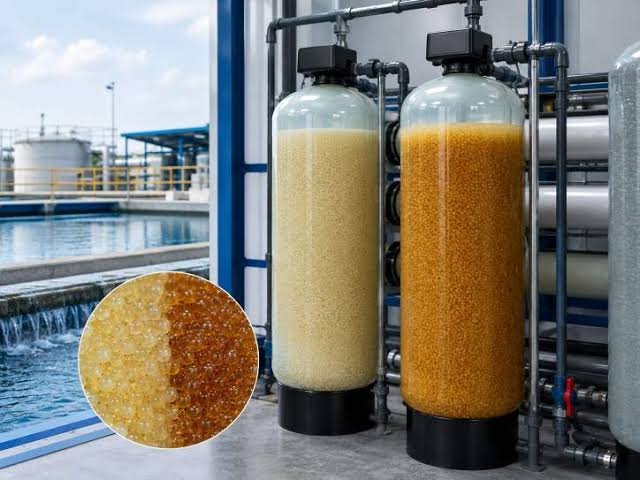
A water softener can reduce hardness by exchanging calcium and magnesium ions for other ions, commonly sodium. For households with significant scale problems, this can make cleaning easier and help reduce mineral deposits. Water conditioners use different approaches, and their performance depends on the technology and water chemistry involved.
It’s worth remembering that softening isn’t the answer to every water problem. A softener doesn’t automatically remove bacteria, lead, pesticides, or all dissolved contaminants. If drinking-water concerns exist alongside hardness, a separate filtration system may be appropriate.
The sensible approach is to test first, then select equipment that fits both the water conditions and the household’s needs.
Small Maintenance Habits Can Extend Appliance Life
Water treatment doesn’t end once a system is installed. Filters need replacing, softeners may require salt, and certain units need periodic cleaning or professional servicing. Skipping maintenance can reduce performance and, in some cases, allow a system to become less effective than expected.
This routine care also matters for appliance longevity. Mineral scale can reduce heating efficiency and contribute to wear in equipment that handles hot water. Keeping hardness under control where needed, cleaning aerators, and following appliance maintenance instructions can help household systems operate more reliably.
For example, if your kettle develops a chalky layer every few weeks, regular descaling may improve its performance. If your water heater accumulates heavy scale, a qualified technician can advise whether maintenance or treatment changes are necessary. These are relatively ordinary tasks, but ignoring them for years can lead to avoidable costs.
Keep track of filter replacement dates and pay attention to changes in water pressure, taste, or flow. If a treatment system includes monitoring indicators, use them rather than relying on memory alone.
It’s also wise to consider ongoing costs before purchasing equipment. The initial price is only part of the picture; replacement cartridges, salt, electricity, and servicing may affect the long-term budget.
Choosing a Water Treatment System That Fits Your Home
The best water treatment system is the one that solves a real problem without adding unnecessary complexity. A simple carbon filter may be enough for improving chlorine taste, while a reverse osmosis unit may be more appropriate for reducing certain dissolved substances in drinking water. Whole-home systems can address selected issues throughout the plumbing network, but they aren’t always necessary.
Look for independently certified products with clear information about what they reduce and the conditions under which they perform. Check whether replacement filters are readily available and whether the system’s capacity suits your household’s daily water use.
Be cautious of dramatic claims that suggest every tap water supply is unsafe or that one device can eliminate every possible contaminant. Good treatment providers should explain test results, discuss limitations, and recommend equipment based on evidence rather than fear.
If you’re unsure where to begin, start with your water supplier’s quality report or arrange testing appropriate to your water source. That simple step can narrow down your options considerably.
Making Better Water a Lasting Habit
Water quality doesn’t have to become an overwhelming household project. Often, the biggest improvement comes from understanding one specific issue and dealing with it properly. It might mean installing a suitable drinking-water filter, managing hard water, replacing an overdue cartridge, or investigating an unexpected change in supply.
The key is to avoid assumptions. Clear water isn’t always contaminant-free, expensive equipment isn’t automatically better, and maintenance is just as important as installation.
When you know what’s in your water and how your household uses it, decisions become easier. You’ll be better equipped to protect your family, enjoy water that tastes pleasant, and keep plumbing and appliances working as they should. That’s a worthwhile investment in everyday comfort—one glass, one shower, and one ordinary day at a time.