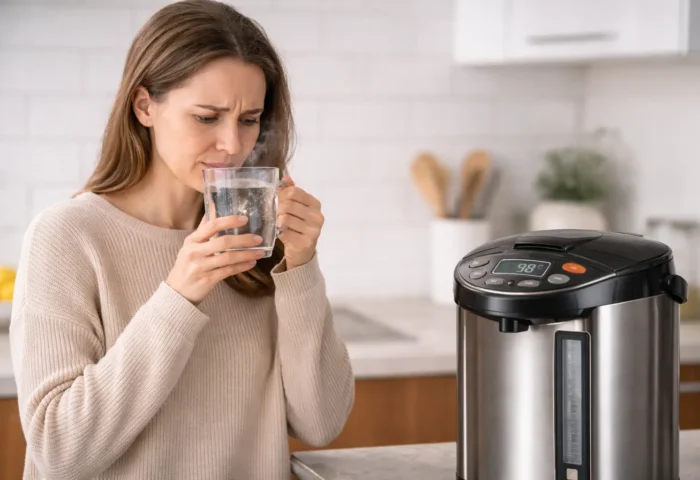
Water is one of those things we barely think about until something feels off. Maybe the coffee tastes a little bitter, the ice cubes have an odd smell, or you notice white spots covering your dishes after every wash. Small details like these often make people wonder what’s really flowing from their taps. And honestly, it’s a fair question.
The quality of household water isn’t always obvious. Even water that looks perfectly clear can contain dissolved minerals, chlorine, sediment, or other impurities that affect taste, odor, and overall quality. That’s why more homeowners are paying attention to what they drink every single day. It’s not about chasing perfection—it’s about feeling confident that every glass of water is as clean as it can reasonably be.
Water Quality Is More Than Just Appearance
Most people assume clear water means clean water. Sometimes that’s true, but not always. Many contaminants are invisible, odorless, and impossible to detect without proper testing. Municipal treatment facilities do an important job, yet water still travels through miles of aging pipes before reaching your home.
Along the way, minerals, rust particles, or other substances can influence the water you use for drinking and cooking. Even if everything meets local safety standards, improving taste and reducing unwanted elements can make everyday life noticeably better.
A simple glass of water should feel refreshing, not leave you wondering why it tastes different every week.
Why More Families Are Choosing Better Filtration
There’s been a quiet shift in how people think about water. Instead of relying on bottled water or inexpensive pitcher filters forever, many households are investing in long-term solutions.
One reason is convenience. Nobody enjoys carrying heavy cases of bottled water from the store every few days. Another reason is consistency. A properly installed filtration system works around the clock, providing treated water whenever you need it.
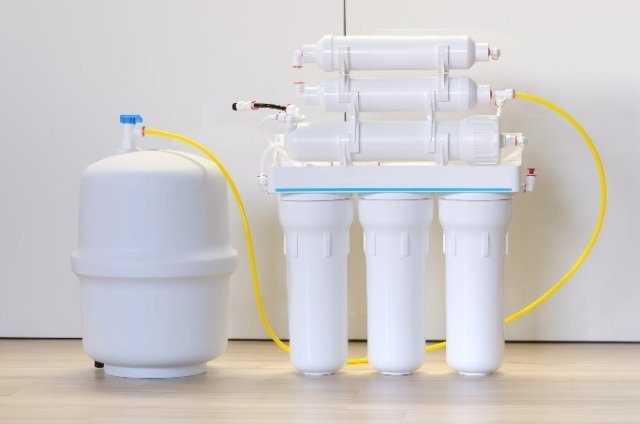
This growing interest has made reverse osmosis drinking water systems one of the most talked-about options for homeowners who want cleaner-tasting water without the ongoing hassle of bottled alternatives.
Understanding How Reverse Osmosis Works
The science behind water filtration sounds complicated, but the basic idea is surprisingly straightforward.
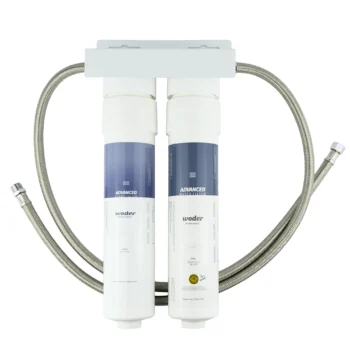
A reverse osmosis system forces water through an extremely fine membrane that blocks many dissolved solids, contaminants, and unwanted particles while allowing purified water to pass through. Several additional filters often remove chlorine, sediment, and unpleasant odors before and after the membrane stage.
The result is water that typically tastes fresher and cleaner than untreated tap water. Many people notice the difference immediately when making tea, coffee, soups, or even ice cubes. Foods prepared with filtered water often have a cleaner flavor too, although the improvement can be subtle depending on the original water source.
It’s one of those home upgrades that doesn’t scream for attention, yet quietly improves everyday routines.
Every Home Has Different Water Needs
Here’s something many people overlook: there isn’t a universal solution for every household.
A family using municipal water faces different challenges than someone relying on a private well. Some areas struggle with hard water, while others deal with elevated chlorine levels or naturally occurring minerals. Geography plays a much bigger role than most homeowners realize.
That’s why understanding your local water conditions matters before investing in equipment. A professional water analysis can identify specific issues and help determine whether additional filtration, softening, or specialized treatment is worth considering.
Buying the most expensive system without understanding your water isn’t always the smartest move.
Looking Beyond Drinking Water
When people think about filtration, they naturally picture the kitchen sink. But water influences much more than what goes into your glass.
Cooking, washing fruits and vegetables, making baby formula, preparing coffee, and even caring for household pets all involve water quality. Better-tasting water often encourages people to drink more throughout the day, which is never a bad thing.
Some homeowners eventually expand beyond kitchen filtration by exploring whole-home solutions for bathing, laundry, and appliance protection. Others find that improving drinking water alone meets all of their needs. Neither choice is wrong—it simply depends on priorities and budget.
Choosing the Right Drinking Water Solution
Shopping for filtration equipment can feel overwhelming because every company promises incredible results. Marketing claims often sound impressive, but practical considerations matter much more.
Think about maintenance requirements, replacement filter costs, installation quality, available warranties, and customer support. A system that’s easy to maintain is far more likely to perform consistently over the years.
Reliable drinking water systems should fit naturally into your routine instead of creating extra work. The best setup is usually the one you hardly think about after it’s installed, except when you notice how much better your water tastes.
It’s also worth reading real customer reviews rather than relying entirely on product descriptions. Long-term experiences often reveal details that brochures conveniently leave out.
Small Improvements Can Make a Big Difference
Home improvements don’t always involve remodeling kitchens or replacing roofs. Sometimes the most satisfying upgrades are the ones you experience every single day without giving them much thought.
Cleaner water touches dozens of daily habits. Morning coffee feels richer. Homemade soup tastes more balanced. Filling a reusable bottle before leaving the house becomes second nature. Even something as ordinary as brushing your teeth can feel a little fresher.
These aren’t dramatic lifestyle changes. They’re small improvements that quietly add up over months and years.
People often underestimate how frequently they interact with water until they begin paying attention. Once they notice the difference, going back can feel surprisingly difficult.
A Better Glass of Water Starts with Better Decisions
Choosing a water filtration solution isn’t really about following trends or buying the newest gadget. It’s about making informed decisions based on your household’s needs, local water quality, and long-term priorities.
Whether you’re simply looking for better-tasting water or hoping to reduce certain impurities, taking the time to understand your options is always worthwhile. Testing your water first, comparing systems carefully, and investing in quality installation can save frustration later.
At the end of the day, clean water supports countless moments that rarely get much attention—from filling a child’s water bottle before school to preparing dinner after a long day at work. Those ordinary moments deserve water you feel good about using.
And maybe that’s the real value of a good filtration system. It isn’t just about cleaner water. It’s about adding a little more confidence, comfort, and peace of mind to everyday life, one glass at a time.