There’s something oddly comforting about pouring a glass of water from the kitchen tap. It’s simple, familiar, and something most of us do without thinking twice. But water can travel a surprisingly long journey before it reaches your glass, picking up minerals, chemicals, sediments, and other unwanted substances along the way. That’s why water quality isn’t just about whether the water looks clear. What matters is what you can’t see.
For many households, improving drinking water means finding a filtration system that fits their needs rather than buying the most expensive option available. The right choice can make water taste better, improve cooking, and offer extra peace of mind. And honestly, once you get used to good-quality water, going back can be hard.
Start With the Water You Actually Have
Before choosing any filtration system, it makes sense to understand your home’s water supply. Municipal water and private well water can have very different characteristics. Even within the same city, water quality can vary depending on the source, plumbing, and local treatment processes.
Some people notice chlorine smells. Others deal with hard water, mineral buildup, metallic flavors, or occasional sediment. None of these issues should be treated with a one-size-fits-all solution.
A water quality test can help identify what’s actually present. Once you know that, selecting a filtration method becomes much less of a guessing game. It also prevents you from paying for technology that your household doesn’t really need.
Where Reverse Osmosis Fits In
One of the better-known technologies for treating household drinking water is reverse osmosis. The process uses pressure to push water through a semipermeable membrane, reducing a range of dissolved substances and contaminants.
Reverse osmosis is often used at the point of use, particularly for kitchen drinking water. Depending on the system and its configuration, it can be combined with sediment and carbon filters to create multiple stages of treatment.
But there’s a small catch. Reverse osmosis systems can produce wastewater during the filtration process, and they require regular filter and membrane replacement. So, while the technology can be highly useful, it’s worth considering the system’s efficiency, maintenance requirements, and actual water-quality goals before installing one.
Taste Matters More Than People Admit
Water quality isn’t purely a scientific conversation. Taste matters, too.
If water has a strong chlorine smell or an unpleasant mineral taste, people may simply drink less of it. That can be especially noticeable in busy households where everyone is grabbing water throughout the day. Filtering the water can make it much more appealing.
A good system can leave water tasting crisp, fresh, and neutral without making it seem overly processed. That’s often the moment when people start noticing how different ordinary tap water can taste after filtration.
And it’s not just about drinking. Water is an ingredient in coffee, tea, soups, rice, pasta, sauces, and almost everything else prepared in the kitchen. If your water tastes strange, your food and beverages can quietly inherit that flavor.
Better Water Can Improve Everyday Cooking
Think about making a pot of tea with water that smells slightly chlorinated. You might not immediately blame the water when the tea tastes a little off. The same goes for coffee. The beans may be excellent, the machine may be expensive, and yet something still doesn’t quite click.
Water makes up a huge part of many beverages, so its quality naturally influences the final result. Filtered water can help create clean drinking and cooking water that works better across everyday kitchen routines.
For home cooks, the difference can be subtle rather than dramatic. Rice may taste cleaner. Soup can have a more natural flavor. Coffee may lose an unwanted aftertaste. These aren’t magical transformations, of course, but small improvements tend to add up.
Choosing the Right System for Your Kitchen
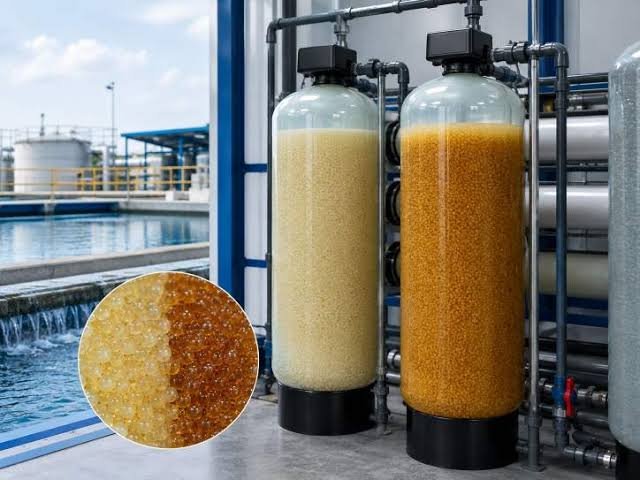
There are plenty of filtration options, and each has a different purpose. Activated carbon filters are commonly used to reduce chlorine, odors, and certain organic compounds. Sediment filters can capture particles such as sand and rust. Reverse osmosis systems target a broader range of dissolved substances.
The important thing is matching the technology to the problem.
If your main concern is taste and odor, a simple carbon-based system might be enough. If testing identifies dissolved contaminants that require more advanced treatment, reverse osmosis may make more sense. In some homes, a combination of technologies provides the most practical solution.
Don’t let a long feature list make the decision for you. More stages don’t automatically mean better water.
Maintenance Is Part of the Deal
One of the easiest things to overlook is maintenance. A filtration system needs attention, even if it sits quietly beneath your kitchen counter.
Filters eventually become saturated and need replacement. Membranes have their own service intervals. Some systems include indicators or reminders, while others require homeowners to keep track themselves.
Ignoring maintenance defeats the purpose of having a filtration system in the first place. A neglected filter may perform poorly and can become an unpleasant part of the plumbing rather than a helpful one.
Before purchasing, check replacement costs and availability. A system with inexpensive, readily available cartridges can be far easier to live with than one that requires hard-to-find parts.
Don’t Forget About Water Waste
If you’re considering reverse osmosis, look at its water efficiency. Traditional systems can send some water down the drain during the purification process. Newer models may be designed to reduce this ratio, so efficiency is worth comparing when you’re shopping.
You can also think about where the system is being used. For most homes, treating every drop of household water isn’t necessary if the primary goal is better drinking and cooking water. A point-of-use system can concentrate treatment where it matters most.
That approach can sometimes save money, reduce installation complexity, and make maintenance easier.
The Small Details Make a Difference
Good filtration isn’t only about contaminant removal. Flow rate, storage capacity, installation space, filter availability, water pressure, and replacement schedules all matter.
If several people use the kitchen throughout the day, a small system with limited capacity might become annoying. On the other hand, a large commercial-style system could be unnecessary for a small household.
It’s about balance. The best system is the one that quietly fits into your routine instead of becoming another appliance you have to worry about.
A Simple Investment in Everyday Comfort
There’s no single filtration system that’s perfect for every home. Water sources differ, household habits differ, and priorities differ. Some people care most about contaminant reduction, while others mainly want better flavor and easier cooking.
Whatever your priorities, start by understanding your water and then choose a treatment method based on evidence rather than marketing promises. Look at long-term maintenance as carefully as the initial price.
Ultimately, the goal is pretty straightforward: great taste for drinking & cooking without making everyday life unnecessarily complicated.
Clean, good-tasting water isn’t something you should have to think about every time you fill a glass. With the right filtration approach, it can simply become part of the background of a comfortable home—quietly doing its job, day after day.