My father-in-law is the kind of guy who fixes everything himself, on principle, even things he probably shouldn’t. So when he found out I was finally looking into water treatment for my house, he launched into this whole lecture about softeners and filtration like I’d asked him to explain quantum physics. Half of it went over my head at first, not gonna lie. But once I sat with it, sorted through what actually mattered, it clicked in a way that made me wonder why nobody explains this stuff simply from the start.
So here’s my attempt at doing that — the plain version, without the lecture format he gave me.
Two Different Jobs, Constantly Confused for One
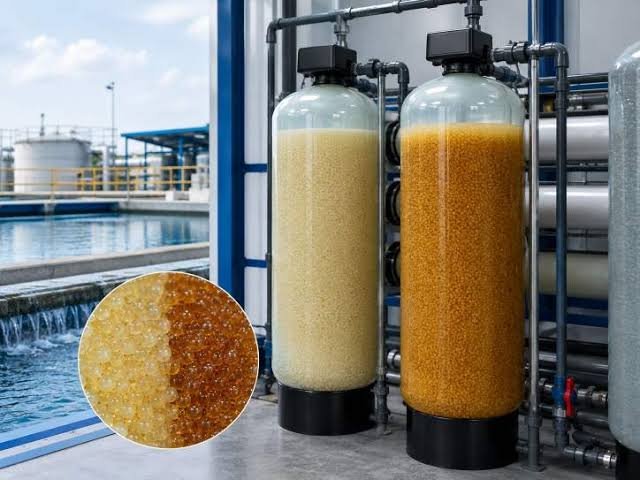
The biggest mix-up people make, myself included for a long time, is thinking softeners and filters do the same thing. They don’t, not even close. Water softeners deal specifically with hardness — the calcium and magnesium that build up scale on everything from your kettle to your shower head. They work through ion exchange, basically trading those hard minerals for sodium ones as water passes through a resin tank. That’s it, that’s the whole job. They’re not filtering out contaminants, they’re not making your water safer to drink, they’re just dealing with the mineral overload that causes scale and that dry, tight feeling on your skin after a shower.
My father-in-law’s point, which took him a solid ten minutes to make, honestly, was that people buy a softener expecting cleaner drinking water and end up disappointed when it doesn’t taste any different. Which, fair criticism. It’s not built for that job.
Enter the System That Actually Handles Drinking Water
For that, you’re looking at something else entirely — reverse osmosis systems, which work by forcing water through a membrane with pores small enough to block out things a softener wouldn’t even notice, like lead, chlorine byproducts, various dissolved solids, even certain bacteria depending on the setup. These are usually installed as a dedicated unit under the kitchen sink, feeding one specific tap rather than treating your whole house’s water supply.
I remember trying water from a reverse osmosis tap for the first time at my father-in-law’s place and being kind of surprised at how different it tasted from the water everywhere else in his house — cleaner, lighter somehow, though that’s a weirdly hard thing to describe about water without sounding like I’m reviewing wine. He just smirked and said “told you,” which, yeah, he did tell me, repeatedly, for ten minutes.
Why You Might Actually Want Both
Here’s the thing that finally made it click for me — these two systems aren’t competing with each other, they’re covering different ground entirely. A softener protects your pipes, appliances, and skin from mineral buildup throughout your whole house. Reverse osmosis specifically upgrades the water you’re actually drinking and cooking with. One’s a whole-house investment, the other’s more targeted, and depending on your water quality, your budget, and honestly your patience for maintenance, you might need one, the other, or both working together.
A lot of homeowners start with just a softener because hardness is the obvious, visible problem — the scale, the spots on glasses, the soap that won’t lather. Then a year or two later, once they’ve dealt with that, they start noticing the drinking water still isn’t quite where they want it, and that’s usually when reverse osmosis enters the conversation. That was basically my father-in-law’s own timeline too, funnily enough, though he’d never admit it took him that long to figure out.
What Good Water Actually Feels Like
Once both systems are running, honestly, you kind of forget what the problem even was. That’s the strange thing about fixing water issues — there’s no dramatic before-and-after moment, just a slow realization one day that your dishes are spotless, your skin doesn’t feel weird after a shower, and your coffee tastes like coffee instead of whatever your tap was contributing to it before. Soft, filtered water just becomes the new normal, and the old water starts to feel like something from a different house entirely.
I ended up going with both eventually, staggered over several months because, again, budgets are real and I wasn’t about to drop everything on one paycheck. Was my father-in-law insufferably smug about being right? Absolutely. But he was right, and I’ve stopped pretending otherwise. If you’re standing where I was, confused about which system does what, just remember — one handles your pipes and your skin, the other handles your glass. Figure out which problem’s actually bothering you, and go from there.