Water Quality Is a Bigger Part of Home Comfort Than You Think
Water is easy to take for granted. You turn on the faucet, fill a glass, start the shower, and get on with your day. But when the water tastes strange, leaves mineral spots everywhere, or creates stubborn buildup around fixtures, it suddenly becomes impossible to ignore.
For homeowners, good water treatment isn’t necessarily about having the fanciest equipment. It’s about understanding what’s in the water and finding a practical way to improve it.
Every home is different, too. Water conditions, plumbing, household size, and daily usage all play a role. What works for one property may be completely unnecessary for another.
Start With Testing Instead of Guessing
The smartest water-treatment decisions usually begin with testing. Before buying a softener, filter, or whole-house system, homeowners should know what they’re actually trying to address.
A water analysis can provide information about hardness, pH, iron, manganese, sediment, and other characteristics. Once those results are understood, it becomes much easier to select an appropriate treatment method.
This is particularly important because different systems solve different problems. A water softener won’t address every contaminant, and a basic filter won’t necessarily solve serious hardness issues.
In other words, don’t shop first and investigate later. Start with the water.
Local Conditions Can Make a Difference
Water quality isn’t identical everywhere. Groundwater characteristics, municipal supplies, plumbing materials, and environmental conditions can all influence what homeowners experience at the tap.
For homeowners looking at residential water solutions in northeast & central florida, local knowledge can be particularly useful when deciding what type of treatment equipment makes sense.
A professional familiar with regional water conditions can consider those factors alongside the results of an individual water test. That doesn’t mean every home needs the same system. Actually, quite the opposite.
The goal is to understand the property rather than force it into a standard package.
Common Problems Homeowners Notice
Some water-quality issues are obvious. Others are subtle.
Hard water may leave white scale around faucets, showerheads, and glassware. Iron can cause orange or reddish staining. Sediment may appear as tiny particles in a glass. Certain compounds can affect taste or odor.
Sometimes there are several issues happening at once.
That’s why a professional assessment can be helpful. Instead of treating symptoms one at a time, homeowners can look at the bigger picture and determine which treatment technologies are appropriate.
And no, more equipment isn’t automatically better. Every component should have a reason for being there.
Why Professional Filtration Can Be Worth It
Store-bought filters can be useful for specific needs, especially when a homeowner simply wants to improve drinking water taste. But larger or more complicated water-quality problems may require a more comprehensive approach.
Professional water filtration services can include water testing, system recommendations, installation, maintenance, and troubleshooting. The real value isn’t just the equipment itself. It’s having someone evaluate the water and help match the technology to the problem.
A good provider should explain what a system is designed to remove, what it doesn’t remove, how often it needs maintenance, and what the long-term operating costs may be.
That’s much more useful than a product box covered in impressive claims.
When Water Softening Makes Sense
Hard water is one of the most common reasons homeowners consider treatment. Calcium and magnesium can create mineral deposits and make certain cleaning tasks more frustrating.
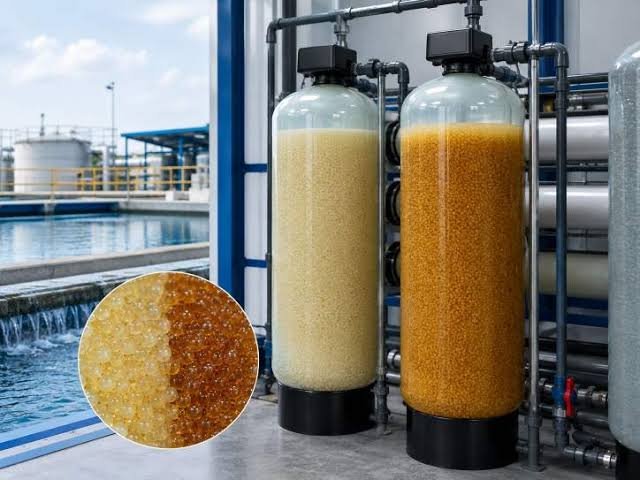
A properly selected water softener can reduce hardness by using ion-exchange technology. The system captures hardness minerals as water passes through specialized resin and periodically regenerates the resin.
However, not every home needs a softener. Testing should confirm the hardness level before equipment is selected.
If hardness isn’t actually a concern, spending money on a softener won’t magically make the water better.
Whole-Home Treatment vs. One Faucet
Another question homeowners often face is whether to treat the entire house or just drinking water.
A point-of-use filter may be perfectly reasonable if the main concern is taste or drinking water. But if water-quality issues affect showers, laundry, appliances, and multiple fixtures, whole-home treatment may be more practical.
The choice depends on the problem and how the household uses water.
There’s no prize for having the biggest filtration system in the neighborhood. The best system is the one that does the job you actually need.
Why Installation Matters
Water treatment equipment needs more than a convenient spot beside the plumbing. Proper installation involves connections, water pressure, drainage, flow rates, and system configuration.
A poorly installed system may leak, perform inefficiently, or require unnecessary repairs.
Professional installation also provides an opportunity to inspect the surrounding plumbing. In older homes, existing pipes and connections may need attention before new treatment equipment is added.
It’s much easier to address those issues early than after the system has already been installed.
Maintenance Keeps Water Treatment Working
No filtration system is completely maintenance-free. Filters eventually need replacing, softeners need attention, and treatment components can wear over time.
Homeowners should understand the maintenance schedule before purchasing equipment. Ask how often filters need changing, what supplies are required, and whether professional service is recommended.
Regular maintenance protects the investment and helps keep performance consistent.
If water suddenly changes taste, odor, color, or pressure, don’t simply assume the filter has reached the end of its life. The change could indicate another issue that deserves investigation.
Why Experience Matters
Water treatment can look simple from the outside, but the details matter. Water chemistry, household demand, equipment sizing, and installation all influence how well a system performs.
A knowledgeable water treatment expert can help connect those dots. Instead of simply recommending a product, they can look at the water, the home, and the homeowner’s priorities together.
That’s especially useful when the property has more than one water-quality concern.
Good advice should make the process clearer, not more confusing.
A Better Approach to Cleaner Water
Choosing water treatment doesn’t have to become a stressful home-improvement project. Start with testing. Understand the results. Decide what you actually want to improve, then compare technologies that address those specific concerns.
Whether the solution involves filtration, softening, or a combination of treatment methods, proper sizing and installation matter just as much as the equipment itself.
And perhaps most importantly, don’t be pressured into buying something you don’t understand.
Good water treatment should make everyday life easier, not create another complicated system you have to worry about. With the right information and a solution designed around your home, better water can simply become part of the background — quietly working every day.