Clean Water Deserves More Attention Than It Usually Gets
Water is one of those everyday essentials we rarely stop to appreciate. It’s there when we brew coffee before sunrise, rinse vegetables for dinner, wash muddy shoes after a rainy afternoon, or take a long shower after an exhausting day. Because it’s always available, it quietly fades into the background of daily life.
Until something changes.
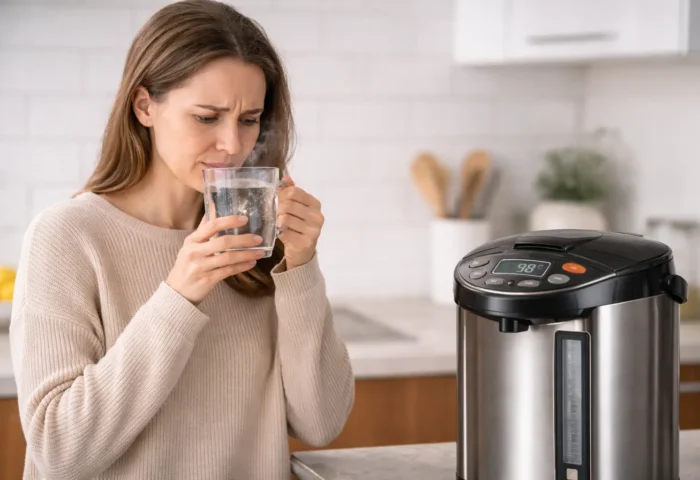
Maybe the water starts tasting slightly different. Perhaps the showerhead loses pressure, or your dishwasher suddenly leaves cloudy marks on glasses that used to sparkle. Sometimes you notice white mineral stains around faucets that seem impossible to scrub away.
These little clues don’t necessarily point to a serious problem, but they do remind us of something important: even the best water systems need occasional attention.
The encouraging part is that good maintenance doesn’t have to be complicated. In fact, a handful of simple habits can keep your home’s water performing reliably for years.
Every Home Has Its Own Water Story
Water quality isn’t the same everywhere.
Some homes receive naturally hard water packed with calcium and magnesium, while others deal with chlorine taste, sediment, or older plumbing that affects water as it travels through the house.
That’s why advice from a friend—or even a neighbor across town—may not apply to your situation.
Understanding the unique characteristics of your home’s water allows you to solve real problems rather than chasing symptoms that may have completely different causes.
Good decisions almost always begin with accurate information.
Don’t Wait Until Something Breaks
Most water-related problems develop gradually.
Mineral deposits slowly build inside pipes. Filters become less efficient over time. Water heaters accumulate scale. Softeners quietly run low on salt.
Because these changes happen so slowly, homeowners often don’t notice until performance has already declined.
The goal isn’t to react after equipment struggles.
The smarter approach is staying a step ahead through routine care that keeps everything operating efficiently before problems appear.
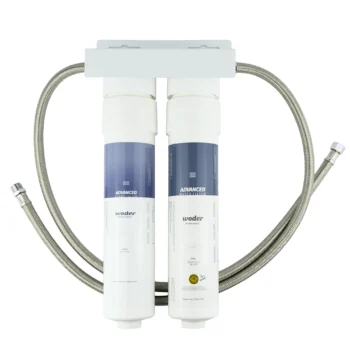
Replacing Filters Matters More Than People Think
Filters do an incredible amount of work without asking for recognition.
Day after day, they trap sediment, particles, and other unwanted materials while allowing cleaner water to flow throughout the home. Naturally, they can’t keep doing that forever.
A routine filter change helps restore proper flow, improve performance, and reduce unnecessary strain on the rest of the system.
Many homeowners postpone filter replacement because the equipment still seems to be working.
But waiting too long often reduces efficiency long before complete failure becomes obvious.
Replacing filters on schedule is one of the easiest ways to protect both water quality and expensive household equipment.
Testing Removes the Guesswork
Water can appear crystal clear while still containing minerals or substances that influence taste, odor, or appliance performance.
That’s why appearance alone rarely tells the full story.
Professional water testing gives homeowners a much clearer understanding of what they’re actually dealing with.
Sometimes the concern turns out to be simple hard water.
Other times, elevated chlorine or sediment explains the changes you’ve been noticing.
Instead of buying unnecessary equipment based on advertisements, testing provides facts that support smarter decisions.
Knowing what’s in your water often saves money as well as frustration.
A Quick Inspection Can Prevent Bigger Repairs
Most homeowners schedule routine maintenance for their vehicles because they understand that prevention is less expensive than repairs.
The same idea applies to household water equipment.
An occasional system check can reveal developing issues before they become serious enough to interrupt daily life.
A technician may notice a worn valve, restricted flow, minor leak, or early mineral buildup that hasn’t yet caused noticeable symptoms.
Addressing these concerns while they’re still small usually protects appliances, plumbing, and the water treatment equipment itself.
A little attention today often prevents a much larger repair bill tomorrow.
Better Water Improves More Than Drinking
When people hear “water treatment,” they naturally think about drinking water first.
But the benefits extend far beyond the kitchen sink.
Cleaner water helps washing machines perform more efficiently.
Dishwashers leave fewer spots on dishes.
Coffee and tea often taste fresher.
Soap rinses away more easily, while showers feel more comfortable.
Even plumbing fixtures stay cleaner because fewer mineral deposits accumulate over time.
None of these improvements feels dramatic on its own.
Together, though, they quietly create a home that’s easier—and more enjoyable—to live in.
Consistency Beats Complexity
Some homeowners delay maintenance because they assume it requires technical expertise.
Thankfully, that’s rarely true.
Most modern water systems only need simple, predictable care.
Replace filters when recommended.
Check softener salt levels.
Arrange occasional inspections.
Pay attention to noticeable changes in taste, pressure, or appearance.
These small routines require very little effort but consistently deliver long-term rewards.
The goal isn’t perfection.
It’s simply staying consistent.
Water Quietly Supports Every Day
Think about how often your household depends on water.
Morning coffee.
Cooking dinner.
Laundry.
Baths for the kids.
Dishwashing.
Cleaning floors.
Watering the garden.
It’s involved in nearly every room of the house.
Because it’s so dependable, it’s easy to forget how important it really is.
Maintaining your water system isn’t just about protecting equipment.
It’s about protecting the countless little routines that make everyday life comfortable.
Final Thoughts
A reliable water system doesn’t ask for much. It quietly serves your household every day, often without anyone giving it a second thought.
Yet like any hardworking part of a home, it performs best with regular attention.
Replacing filters on time, testing your water when needed, and scheduling periodic inspections aren’t complicated tasks. They’re practical habits that help extend equipment life, improve efficiency, and reduce unexpected repair costs.
At the end of the day, investing a little time in water maintenance pays off in cleaner water, longer-lasting appliances, and greater confidence every time you turn on the tap.
Sometimes the best home improvements aren’t the ones everyone notices—they’re the ones that quietly make every single day just a little bit better.