When it comes to finishing touches in interior design or tile installation, the smallest details often make the biggest difference. Among these unsung heroes are L profile trims and tile edge trim, both of which serve not just an aesthetic purpose but also offer significant functional benefits. Whether you’re renovating a home, designing a commercial space, or simply looking to protect the edges of your tiles, these profiles are your go-to solutions.
What Is an L Profile?
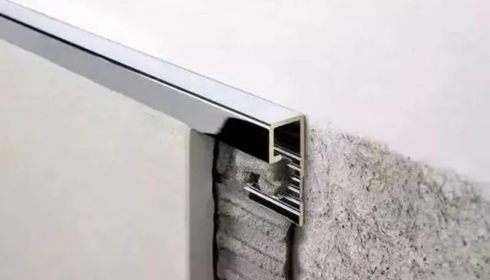
An L profile, also known as an angle trim, is a metal or plastic strip shaped like the letter “L.” It’s primarily used to provide a clean and smooth finish to corners, edges, and transitions. Available in various materials such as aluminum, stainless steel, and PVC, the L profile can be used in a wide range of applications—from covering sharp corners to providing support and a sleek finish in kitchens, bathrooms, and staircases.
Functional Uses of L Profile
- Edge Protection: In high-traffic areas, corners and edges are prone to damage. L profiles act as guards that prevent chipping and wear.
- Design Enhancer: With their minimalist and modern look, L profiles can add a polished appeal to wall corners or countertops.
- Versatile Application: These trims are widely used in cabinetry, tile finishing, drywall edge protection, and more.
Tile Edge Trim: Clean Finish Meets Durability
tile edge trim is a specialized trim used to cover the raw, exposed edges of tiles to provide a neat and finished appearance. It’s especially useful in areas where the tile meets a surface that doesn’t require tiling, such as a painted wall or a wooden cabinet.
Why Tile Edge Trim is Essential
- Protects Tile Edges: The most obvious benefit is protecting the exposed edges from cracking, chipping, or water damage.
- Improves Visual Appeal: Exposed tile edges often look rough or unfinished. Tile edge trim gives a clean, professional look.
- Multiple Styles and Materials: These trims come in a variety of styles like round-edge, square-edge, and straight-edge, and materials like aluminum, stainless steel, brass, or even plastic.
Choosing the Right Material
Selecting the appropriate material for your L profile or tile edge trim depends on the specific use case and design preferences.
- Aluminum: Lightweight, corrosion-resistant, and ideal for indoor use.
- Stainless Steel: Highly durable and perfect for areas prone to moisture or mechanical stress.
- PVC/Plastic: Budget-friendly and great for light-use applications.
Installation Tips
- Measure Twice, Cut Once: Always double-check measurements before cutting the profile to avoid waste.
- Use the Right Adhesive: Ensure you’re using a strong adhesive suited for the surface and material type.
- Smooth Transitions: Align the trims accurately to avoid uneven gaps or visible joints.
Where to Use L Profile and Tile Edge Trim
- Bathrooms: Use trims around tile edges on walls, vanities, or shower areas.
- Kitchens: Ideal for backsplash finishes, countertop edges, or shelving corners.
- Staircases: Add an L profile to the edge of stair treads for added grip and a clean finish.
- Commercial Interiors: Offices, restaurants, and retail spaces benefit from the sleek and professional appearance these trims offer.
Final Thoughts
Both the L profile and tile edge trim are vital for any space where tiles or sharp corners are involved. They not only provide edge protection but also elevate the visual appeal of a room. Easy to install and available in numerous styles and materials, they are a practical and stylish investment in the longevity and beauty of your home or business interior.