Let’s face it—most of us don’t think twice before turning on the tap. We expect clean, clear water to flow out, ready to drink, cook with, or shower in. But every now and then, something’s… off. Maybe the water looks weird, maybe it tastes strange, or maybe your white laundry starts turning an odd color. And that’s when the questions creep in.
You’re not imagining things. These little signs—funky flavors, weird stains, murky glassfuls—are your water’s way of crying out for help. So instead of brushing it off, let’s unpack it. Because clean water isn’t a luxury—it’s a basic right, and it starts with knowing what to look for.
That Pool-Like Flavor You Can’t Ignore
We all know the scent of a public pool. Chlorine. It’s sharp, sterile, and unmistakable. Now imagine tasting that in your tap water. Not so refreshing, right?
Here’s the deal: chlorine is added to municipal water supplies to kill bacteria and viruses. It’s effective and widely used—but sometimes, it’s used a little too generously or lingers a little too long. If you’ve ever taken a sip and recoiled from that chemical flavor, you’re not alone.
The chlorine taste in water isn’t harmful at low levels, but it can be downright unpleasant. For coffee lovers, it ruins the brew. For kids, it’s a reason to reach for juice instead. The solution? Carbon filters. They’re relatively cheap, easy to install, and great at removing chlorine, improving taste, and bringing back that crisp, clean feel.
When White Towels Turn Orange
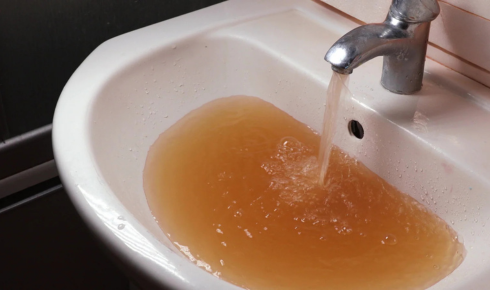
Let’s talk about the silent villain of your bathroom and laundry room—iron. It’s naturally present in groundwater, and when it oxidizes, it stains. Those rust-colored smears around your tub drain or that eerie tint on your once-pristine socks? Classic case.
Rusty water stains are more than just cosmetic. Over time, they damage fabrics, make your fixtures look ancient, and leave you wondering if your washing machine’s haunted. It’s frustrating, especially when you’re keeping everything clean but still feel like you’re fighting a losing battle.
Iron filtration systems or water softeners with iron removal features can make a world of difference. Don’t just keep scrubbing—solve the issue at the source.
Not Quite Clear: The Cloudy Glass Conundrum
There’s something unnerving about filling a glass with water and seeing a foggy swirl inside. You wait, hoping it clears up. Sometimes it does. Sometimes it doesn’t. Either way, it leaves a question mark in your mind.
Cloudy water often comes from tiny air bubbles or sediment, depending on your plumbing and source. If it clears from the bottom up, it’s likely harmless air. But if it stays cloudy—or worse, leaves residue—it could be a sign of sediment problems or old pipes introducing minerals and rust into the mix.
It’s not always dangerous, but it’s rarely appetizing. Who wants mystery swirls in their morning glass of water? Installing a sediment pre-filter or upgrading to a system that handles turbidity can bring back that crystal-clear look.
A Closer Look: Your Water Might Be Talking
Think of these issues like your water’s language. It’s trying to tell you something.
That bleachy taste? Might be too much disinfection. That orange smear on the sink? A sign of iron invasion. That cloudy swirl? A warning that your plumbing may be older than you think.
These aren’t just inconveniences—they’re indicators. Little flags that say, “Hey, check this out.” And when you listen, you take control.
Beyond the Basics: What You Can Actually Do
The good news? Fixing these problems isn’t as complicated as you might think. Here’s a breakdown of simple, practical steps you can take:
- Get your water tested. Especially if you’re on a private well, but even city water can surprise you.
- Use targeted filtration. Don’t just grab a random filter—get one that’s designed for your issue. Activated carbon for chlorine, iron filters for rust, sediment filters for cloudy water.
- Replace old plumbing. It’s not cheap, but if your pipes are decades old, they could be contributing to all three problems.
- Stay informed. Read your local water quality report. They’re usually public and filled with useful data.
Real Talk: Why This Actually Matters
Bad water doesn’t just affect taste and laundry—it messes with your trust. You start second-guessing every sip, avoiding the tap, stocking up on bottled water, and mentally calculating how much you’ve spent trying to “fix” the issue without fixing it.
And that kind of daily unease? It adds up. It wears on you. You deserve better—not just for your peace of mind, but for your family, your home, and your health.
Wrapping It Up: Don’t Ignore the Signs
Whether it’s the chlorine taste in water, the battle with rusty water stains, or the annoyance of cloudy water, these are signs worth paying attention to. Water isn’t supposed to be complicated. It should be simple, clean, and worry-free.
So the next time something feels off about your water—trust your instincts. Look a little deeper. Ask questions. And take steps to make things better. Because water should never be a source of stress. It should feel like what it is—life.