Most homeowners don’t think much about the plumbing hidden behind their walls — not until it starts telling a story. And pipes, in their own quiet way, do tell stories. Sometimes it’s a faint dripping sound late at night, sometimes it’s rusty water in the sink, or maybe a stubborn leak that keeps coming back no matter how many times it’s patched.
These small signs aren’t random. They’re part of a bigger narrative about how plumbing systems age, adapt, and sometimes struggle under years of daily use.
Understanding when to repair, when to replace, and how regulations fit into the process can make a huge difference in protecting both your home and your peace of mind.
The Subtle Warning Signs That Often Get Ignored
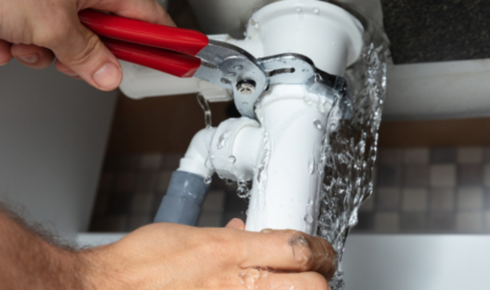
Plumbing issues rarely appear suddenly. More often, they start quietly — a slight drop in water pressure, an occasional leak under the sink, or pipes that make strange noises when you turn on the tap.
At first, these problems seem minor. Easy to postpone. Life is busy, after all.
But plumbing systems are interconnected. A small leak can indicate corrosion elsewhere. A single damaged pipe may suggest aging infrastructure throughout the home.
Listening to these early signals can prevent larger disruptions later.
When Small Fixes Are the Right Solution
Not every plumbing problem requires a full system overhaul. In many cases, localized repairs can effectively address isolated damage.
This is where spot repair becomes valuable. Instead of replacing entire sections of piping, technicians focus on repairing specific damaged areas. This approach can save time, reduce costs, and minimize disruption to walls or flooring.
Spot repairs work best when the overall plumbing system remains in good condition and the problem is limited to a single section.
However, repeated leaks in different locations often indicate a broader issue.
Recognizing When Repairs Are No Longer Enough
Over time, plumbing materials naturally degrade. Older homes may have galvanized steel pipes that corrode internally, while even copper systems can develop pinhole leaks after decades of use.
When leaks become frequent or water quality deteriorates, ongoing repairs may no longer be practical.
In these situations, professional repipe services provide a more comprehensive solution. Repiping involves replacing aging plumbing with modern materials designed for durability and efficiency.
Although repiping requires a larger initial investment, it often eliminates recurring problems and improves water pressure and quality.
Sometimes, the most cost-effective decision isn’t fixing what’s broken — it’s starting fresh.
The Role of Regulations in Plumbing Projects
Many homeowners are surprised to learn that certain plumbing repairs require official approvals. These regulations exist to ensure safety, protect infrastructure, and maintain consistent standards.
For example, major replacements or structural plumbing changes often require plumbing permits from local authorities. These permits verify that work meets building codes and safety guidelines.
While obtaining permits may seem like an extra step, they provide important benefits. They ensure installations are inspected properly and help protect homeowners from future liability issues.
Following proper procedures ultimately safeguards both property value and occupant safety.
The Financial Impact of Ignoring Aging Pipes
One of the biggest risks of delaying plumbing upgrades is the potential for hidden damage. Aging pipes can leak slowly within walls or beneath floors, causing structural deterioration over time.
Water damage repairs often cost significantly more than preventive plumbing work. Mold remediation, flooring replacement, and wall restoration can quickly escalate expenses.
Investing in timely repairs or repiping helps prevent these secondary costs.
Viewed from a long-term perspective, proactive plumbing care often proves far more economical.
The Emotional Side of Plumbing Reliability
Reliable plumbing contributes to daily comfort in ways most people don’t notice — until something fails.
Imagine starting your day without hot water, dealing with recurring leaks, or worrying about hidden damage beneath your floors. These situations create stress and disrupt routines.
Conversely, knowing that your plumbing system is stable provides peace of mind. It allows you to focus on everyday life without concern about unexpected issues.
Comfort isn’t just about visible features — it’s about confidence in the systems you can’t see.
Choosing the Right Professional Support
Plumbing projects, whether repairs or repiping, require skilled professionals who understand both technical and regulatory aspects.
Reliable technicians provide clear explanations, honest assessments, and realistic timelines. They help homeowners understand options rather than pushing unnecessary upgrades.
Transparency and communication play a major role in building trust during plumbing projects.
Choosing experienced professionals ensures work is completed safely, efficiently, and in compliance with local standards.
The Long-Term Benefits of Modern Plumbing Systems
Upgrading aging plumbing doesn’t just prevent leaks — it improves overall system performance.
Modern materials offer increased durability, better corrosion resistance, and improved water flow efficiency. They also support energy-saving fixtures and advanced water management technologies.
Over time, these improvements contribute to both cost savings and environmental sustainability.
A well-maintained plumbing system becomes an invisible asset that quietly supports daily life.
A Final Thought: Listen When Pipes Begin to Speak
Plumbing systems rarely fail without warning. They send subtle signals long before major problems occur — small leaks, reduced pressure, or changes in water quality.
Paying attention to these signs and seeking professional guidance early helps prevent costly disruptions later.
Because at its core, plumbing isn’t just about pipes or water flow.
It’s about protecting the stability of the spaces we call home — ensuring comfort, safety, and peace of mind remain uninterrupted.