There’s a certain kind of comfort that comes from living in a home where everything works quietly in the background. You wake up, turn on the tap, and clean water flows instantly. You cook dinner without thinking about the gas supply powering your stove. You do laundry, shower, wash dishes — all without stopping to wonder how those systems actually function.
That’s the thing about modern homes: the most important infrastructure is usually invisible.
But when something goes wrong — when water smells unusual, when pressure drops unexpectedly, or when gas appliances don’t perform properly — those hidden systems suddenly become impossible to ignore.
Understanding how these essential systems work, and why they require proper maintenance, helps homeowners protect both comfort and safety over the long term.
Why Gas Lines Deserve Serious Attention
Gas systems are among the most critical and potentially dangerous components of any home.
Unlike water leaks, which are usually visible, gas leaks can be difficult to detect. Often, homeowners notice subtle signs first — a faint odor, a hissing sound near appliances, or unexpectedly high utility bills.
These warning signs should never be ignored.
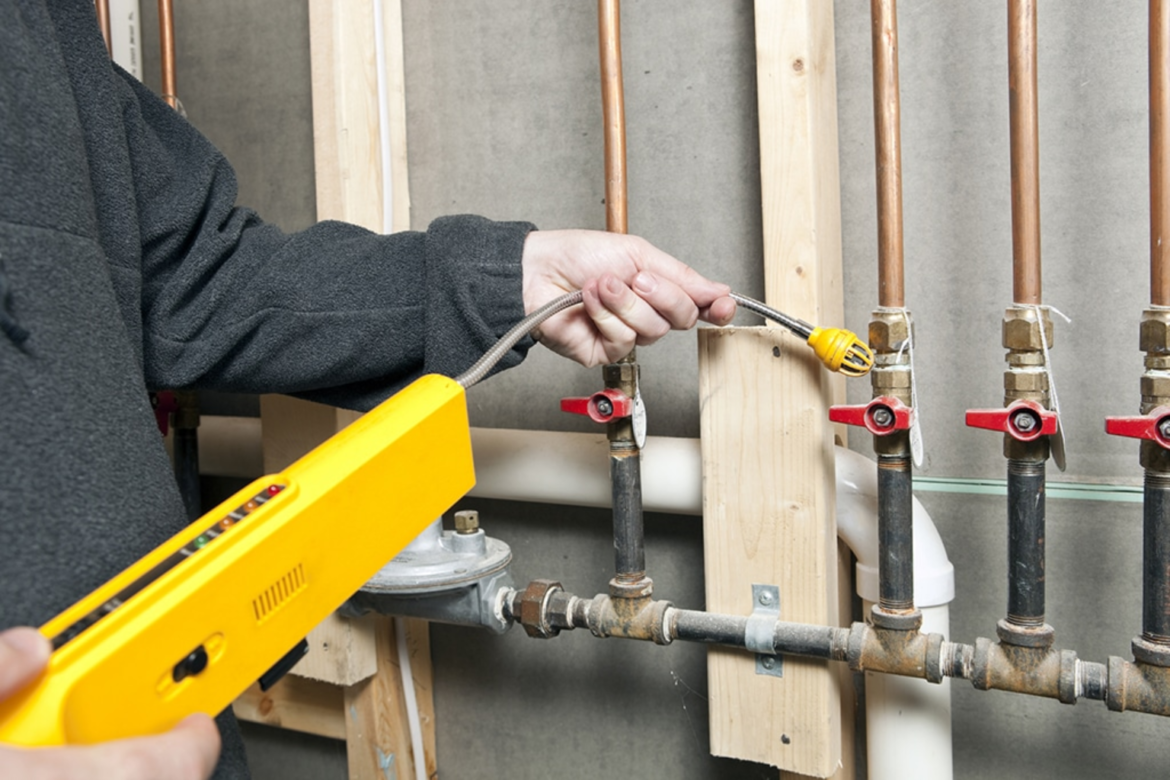
Professional gas line services ensure safe installation, maintenance, and repair of gas infrastructure. Certified technicians have the training to detect leaks, inspect connections, and ensure compliance with safety regulations.
Because gas systems carry inherent risks, professional handling is not just recommended — it’s essential.
Routine inspections help prevent hazards while ensuring appliances operate efficiently.
The Growing Importance of Water Quality
While gas safety is crucial, water quality is equally important for daily health and comfort.
Many homeowners assume that municipal water supplies are automatically safe and clean. While treated water meets safety standards, it may still contain minerals, sediment, or residual chemicals that affect taste and performance.
These impurities can accumulate over time, impacting plumbing fixtures, appliances, and even personal health.
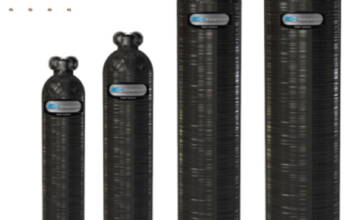
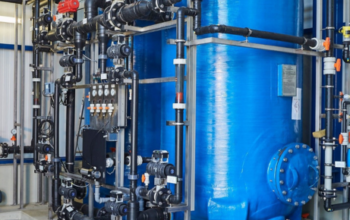
This is why many households invest in water filtration systems. These systems remove unwanted contaminants, improving both water quality and overall system efficiency.
Beyond drinking water, filtration helps protect pipes and appliances from buildup that can shorten their lifespan.
The result is cleaner water, better-tasting beverages, and improved long-term plumbing performance.
Understanding the Effects of Hard Water
One of the most common water quality challenges homeowners face is hard water.
Hard water contains high concentrations of minerals such as calcium and magnesium. While not harmful to health, these minerals can create significant household problems.
Soap may not lather properly. Dishes may develop cloudy spots. Laundry may feel stiff after washing.
Over time, mineral deposits can also accumulate inside pipes and appliances, reducing efficiency and causing wear.
This is where water softener installation plays an important role.
Water softeners remove excess minerals, helping improve water quality while extending the lifespan of plumbing systems and appliances.
For many homeowners, this upgrade leads to noticeable improvements in both convenience and efficiency.
How Small Issues Often Signal Bigger Problems
One of the most challenging aspects of plumbing and utility maintenance is that problems rarely appear suddenly.
They usually begin with small warning signs — slightly reduced water pressure, unusual appliance behavior, or subtle changes in water taste.
Because these issues seem minor, homeowners often delay addressing them.
But small problems often indicate deeper system concerns.
Responding early helps prevent more serious damage and costly repairs.
The Role of Preventative Maintenance
Routine inspections are one of the most effective ways to maintain essential home systems.
Preventative maintenance allows professionals to identify worn components, potential leaks, and system inefficiencies before they escalate.
This proactive approach helps extend equipment lifespan while improving performance.
Simple steps — such as scheduling regular system checkups — can significantly reduce the likelihood of unexpected failures.
In many cases, preventative care costs far less than emergency repairs.
How These Systems Impact Daily Comfort
It’s easy to underestimate how deeply gas and water systems influence daily life.
Reliable gas supply supports cooking, heating, and energy efficiency. Clean water ensures hygiene, health, and convenience.
When these systems function properly, they create a seamless living environment.
When they fail, even simple routines become stressful and inconvenient.
Understanding this connection highlights the importance of proactive system care.
The Emotional Impact of Utility Failures
Beyond practical inconvenience, system failures often create emotional stress.
A gas issue can raise safety concerns. Poor water quality may cause uncertainty about health. Unexpected repairs can lead to financial anxiety.
Having access to reliable professional support helps reduce this stress.
Preparedness — knowing whom to call and how to respond — provides reassurance during unexpected situations.
Why Modern Homes Require Professional Expertise
As homes become more advanced, utility systems grow increasingly complex.
Energy-efficient appliances, smart monitoring devices, and integrated filtration technologies all rely on precise infrastructure.
Professional technicians possess the knowledge needed to manage these systems safely and effectively.
Their expertise ensures proper installation, accurate diagnosis, and reliable repairs.
The Bigger Picture: Infrastructure as the Foundation of Home Living
Gas and water systems may remain hidden from view, but they form the backbone of modern home comfort.
They support safety, health, energy efficiency, and daily convenience.
Maintaining these systems helps preserve both functionality and peace of mind.
Ignoring their importance can lead to disruptions that affect multiple aspects of home life.
The Bottom Line: Stay Proactive to Protect Your Home
Most utility problems don’t develop overnight.
They evolve gradually, offering early warning signs before becoming serious.
By paying attention to these signs, scheduling regular inspections, and seeking professional assistance when needed, homeowners can maintain reliable systems and avoid costly emergencies.