There’s a certain irony in modern living. We invest in beautiful furniture, energy-efficient appliances, and the latest tech upgrades — yet we rarely pause to think about the invisible elements shaping our daily comfort. The water running through our taps. The air circulating through our rooms. They’re constant, quiet, and mostly unnoticed… until something feels off.
Maybe your skin feels unusually dry. Maybe there’s a faint chlorine taste in your coffee. Or perhaps you’ve noticed more dust lingering in the air, no matter how often you clean. These subtle signals often point to something bigger: the quality of your home’s water and air.
Improving those unseen systems doesn’t just enhance comfort — it can transform how your home feels overall.
The Subtle Effects of Hard Water
Hard water is one of the most common household concerns, and yet many people live with it for years without realizing how much it impacts their routines. High levels of minerals like calcium and magnesium can leave behind scale buildup on faucets and appliances. Soap may struggle to lather properly. Laundry can feel stiff even after careful washing.
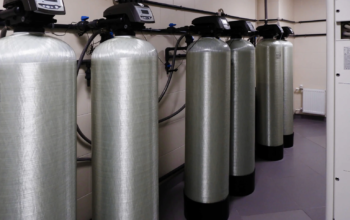
Installing water softeners addresses this by reducing mineral content before water reaches your plumbing. The change isn’t dramatic overnight, but it’s noticeable. Skin feels smoother. Hair becomes more manageable. Appliances operate more efficiently because they’re not fighting mineral deposits.
It’s one of those upgrades that quietly improves daily life. You might not think about it constantly — but you’ll feel the difference.
Beyond Softening: Targeted Filtration
While softening tackles mineral content, it doesn’t necessarily address everything else. Some households are more concerned about taste, odor, or specific contaminants.
That’s where filtration systems come into play. Whether installed under the kitchen sink or at the main water line, these systems are designed to remove unwanted particles and improve clarity.
Filtered water often tastes cleaner and crisper. Cooking becomes more enjoyable. Ice cubes appear clearer. Even beverages like tea and coffee benefit from improved purity.
As with any system, maintenance matters. Replacing filters on schedule ensures consistent performance. It’s a small commitment for ongoing peace of mind.
The Air You Breathe Matters Too
We talk about water often, but indoor air quality deserves equal attention. Modern homes are built to be energy-efficient and tightly sealed. While that’s great for temperature control, it can trap allergens, dust, and airborne particles inside.
If you’ve ever walked into a room and felt the air was heavy, you know what I mean. It’s subtle but real.
Installing air purification systems can significantly improve circulation and reduce airborne contaminants. These systems capture particles that ordinary filters might miss — including pollen, pet dander, and fine dust.
For families with allergies or respiratory sensitivities, the difference can be especially meaningful. Even without specific health concerns, cleaner air simply feels better. Lighter. Fresher.
Signs It Might Be Time for an Upgrade
You don’t need a crisis to consider improvements. In fact, it’s often the small annoyances that indicate opportunity.
- Persistent white buildup on faucets
- Dry skin or brittle hair
- Water with an unusual taste or smell
- Increased allergy symptoms indoors
- Dust accumulating quickly
None of these issues necessarily mean your home is unsafe. But they may suggest that your water or air systems could work more efficiently.
Testing water quality and evaluating indoor air conditions provide clarity before making decisions.
Balancing Cost and Long-Term Value
Upgrading water or air systems involves an upfront investment. There’s no denying that.
However, many homeowners find that long-term savings offset initial costs. Appliances last longer when protected from scale buildup. Plumbing systems require fewer repairs. Reduced bottled water purchases add up over time.
Similarly, improved air quality may reduce strain on HVAC systems and lower maintenance needs.
Comfort has value too — even if it’s harder to quantify.
Maintenance: The Often Overlooked Factor
One important aspect of any system is upkeep.
Softening units may require salt refills. Filters must be replaced. Air purifiers need periodic servicing. Skipping maintenance can compromise performance and shorten lifespan.
The good news is that many modern systems include user-friendly indicators and digital monitoring. They make upkeep manageable rather than burdensome.
Consistency ensures the systems deliver on their promise.
Tailoring Solutions to Your Home
No two households are identical. Water composition varies by region. Indoor air quality depends on climate, construction materials, and lifestyle factors.
A small apartment may need a simple under-sink filter and portable air purifier. A larger home might benefit from centralized treatment systems.
Consulting professionals who test and evaluate your specific environment prevents unnecessary spending and ensures solutions align with real needs.
There’s no universal fix — only informed decisions.
The Invisible Comfort Factor
When water feels soft and clean, and air feels light and breathable, daily routines shift in subtle ways.
Showers feel refreshing instead of drying. Dishes emerge spotless. Bedrooms feel calmer at night. You stop thinking about what’s coming from the tap or floating through the air.
That’s the beauty of well-designed systems. They operate quietly, supporting your comfort without demanding attention.
A Healthier Home, Quietly
Improving water and air quality isn’t about fear. It’s about awareness.
These invisible elements influence nearly every moment inside your home. Addressing them thoughtfully creates an environment that feels balanced and supportive.