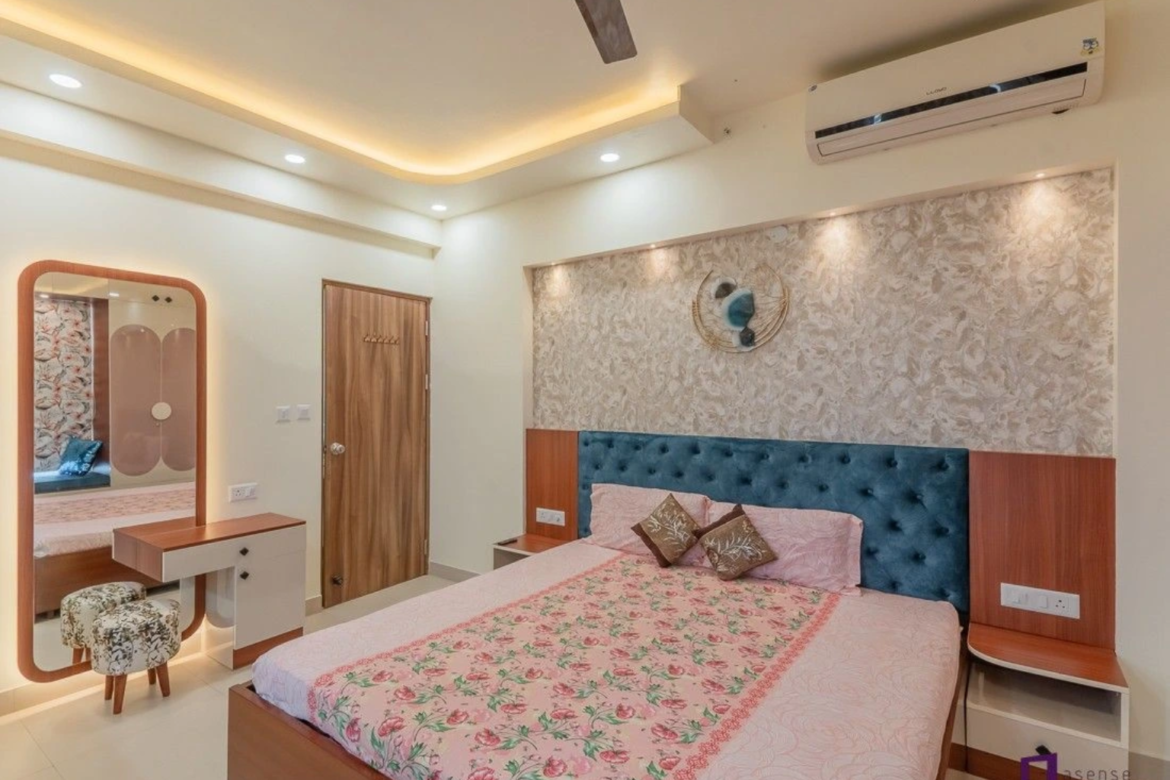
There’s something quietly sacred about a bedroom. It’s the first thing you see when you open your eyes in the morning, and the last place you land at night when you’re tired, a little undone, and ready to switch off. Yet, strangely, it’s often the room we decorate last. We focus on the living room because guests see it. We upgrade the kitchen because it feels productive. The bedroom? That can wait.
But maybe it shouldn’t.
A thoughtfully designed bedroom doesn’t just look nice in photos — it changes how you feel. It affects your sleep, your mood, even how gently your mornings unfold. And in a world that rarely slows down, creating a room that genuinely supports rest feels less like a luxury and more like a necessity.
Start with How You Want to Feel
Before choosing paint colors or headboards, pause and ask yourself something simple: how do I want this room to feel?
Calm? Cozy? Airy? Romantic? Minimal?
Good bedroom design isn’t about copying trends from a catalog. It’s about aligning the space with your emotional needs. If your days are loud and chaotic, maybe your bedroom should feel quiet and uncluttered. If you crave warmth, layers of soft textiles and warmer tones might suit you better than crisp whites.
Design starts with intention. When you know the feeling you’re chasing, the decisions become clearer.
Color Has a Whisper, Not a Shout
Bedrooms respond beautifully to softer palettes. Muted greens, dusty blues, warm neutrals — these tones don’t demand attention. They create an atmosphere.
That doesn’t mean everything must be beige. But bold colors can feel overstimulating when you’re trying to wind down. If you love deeper hues, try using them in accents: a throw blanket, a piece of art, maybe an upholstered bench.
Lighting matters here too. A harsh overhead fixture can undo even the most serene color scheme. Add bedside lamps. Consider dimmers. Let the light glow instead of glare.
A bedroom should feel like it’s exhaling.
The Bed Is the Anchor
It sounds obvious, but the bed is the heart of the room. Invest in quality bedding. Not necessarily expensive — just comfortable. Natural fabrics breathe better. Layering textures adds depth without clutter.
Crisp sheets, a soft duvet, maybe a quilt at the foot of the bed. A few pillows — not a mountain you have to toss aside every night — just enough to feel inviting.
This is where restful spaces truly begin. Comfort isn’t decorative. It’s functional. If the bed doesn’t feel good, nothing else in the room will compensate for it.
And don’t underestimate the headboard. It frames the bed and subtly defines the room. Even a simple upholstered panel can elevate the entire space.
Clear the Noise
Bedrooms collect clutter in sneaky ways. A chair becomes a laundry holder. The nightstand gathers receipts, chargers, half-read books. Before you know it, the room feels busy — and your brain follows.
Editing is powerful.
Keep surfaces intentional. A lamp. A book. Maybe a small plant. Storage solutions don’t have to be elaborate — just practical. Baskets under the bed. Drawer organizers. A small tray for jewelry instead of a scattered pile.
When visual noise decreases, mental noise often does too. It’s not magic — it’s psychology.
Personal, Not Performative
Your bedroom doesn’t need to impress anyone. In fact, it shouldn’t.
This is your space. Hang art that means something to you, even if it’s not perfectly “on trend.” Display a photograph that makes you smile. Add a scent you associate with comfort — lavender, sandalwood, something soft and familiar.
Think of it as a personal retreat, not a staged showroom. The goal isn’t perfection. It’s peace.
I once knew someone who kept a small reading lamp and a stack of poetry books by their bed, even though the rest of the house was ultra-modern and minimal. That tiny corner felt deeply human. It told a story. That’s what makes a bedroom feel real.
Layout and Flow Matter More Than You Think
Even in a small bedroom, layout plays a role. If possible, avoid pushing the bed awkwardly into a corner. Give it breathing space on both sides. It feels more balanced, more intentional.
Nightstands don’t have to match exactly, but they should relate in scale. Leave enough space to move around comfortably. Nothing disrupts calm like stubbing your toe on furniture in the dark.
If the room allows, create a small secondary function — a reading chair, a slim desk, even a bench at the end of the bed. It adds dimension without overwhelming the space.
Texture Is Quietly Transformative
Texture adds warmth without adding clutter. A woven rug underfoot. Linen curtains that move gently when the window’s open. A knitted throw draped casually over a chair.
Mix soft with structured. Smooth with tactile. These layers create depth, and depth makes a room feel considered.
And here’s the thing — you don’t need dozens of items. Just a few well-chosen pieces that complement one another.
Protect the Energy of the Room
In our hyper-connected world, the bedroom often becomes a second office. Laptops on the bed. Phones glowing on the nightstand. Notifications buzzing into the night.
If possible, set boundaries. Keep work out of the bedroom. Charge your phone across the room or, better yet, outside it. Let this space remain restorative.
Small rituals help too. Making the bed in the morning. Turning on a lamp instead of the overhead light at night. Opening the windows for fresh air. These habits reinforce the room’s purpose.
A Room That Holds You
At the end of the day, a bedroom should hold you gently. It should absorb the noise of the world and offer something softer in return.
It doesn’t need to be large. It doesn’t need to be expensive. It just needs to feel intentional.
When you step inside and feel your shoulders drop — that’s when you know it’s working.
And honestly, in a life that moves as fast as ours, having one room that feels like a quiet pause is more than design. It’s care.