Most homeowners don’t wake up worrying about minerals in their water.
You notice the chalky ring around the faucet. Maybe the shower glass always looks hazy. The kettle needs descaling again. It’s mildly annoying, sure—but hardly urgent.
Until your water heater fails sooner than expected. Or your dishwasher starts leaving residue on every plate. Or you realize you’re buying more soap than you used to, and still not getting that satisfying lather.
That’s when it clicks: hard water isn’t just cosmetic.
It’s quietly expensive.
The Hidden Toll of Mineral Buildup
Hard water contains dissolved calcium and magnesium. These minerals aren’t dangerous to drink. In fact, they occur naturally in groundwater and are common in many regions.
The issue isn’t safety. It’s accumulation.
When hard water is heated—or simply evaporates—those minerals don’t vanish. They solidify and cling to surfaces. Inside pipes, around heating elements, along appliance components.
Over time, this buildup reduces flow, restricts heat transfer, and forces systems to work harder.
It’s like cholesterol for your plumbing. You don’t notice it day to day. But the long-term impact is real.
Soap Doesn’t Work the Way It Should
If you’ve ever felt like your shampoo barely lathers or your dishes come out with spots even after a full wash cycle, hard water is likely part of the story.
Minerals react with soap, forming a residue instead of a proper lather. That residue sticks to surfaces—your skin included.
The result? More product usage. More rinsing. More scrubbing.
And none of that is efficient.
How Softeners Change the Equation
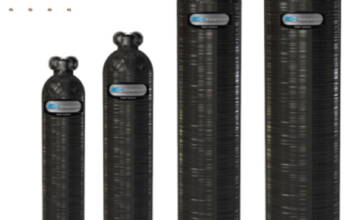
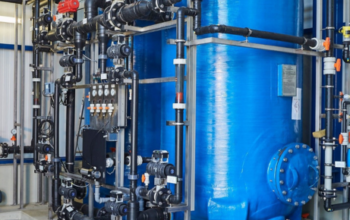
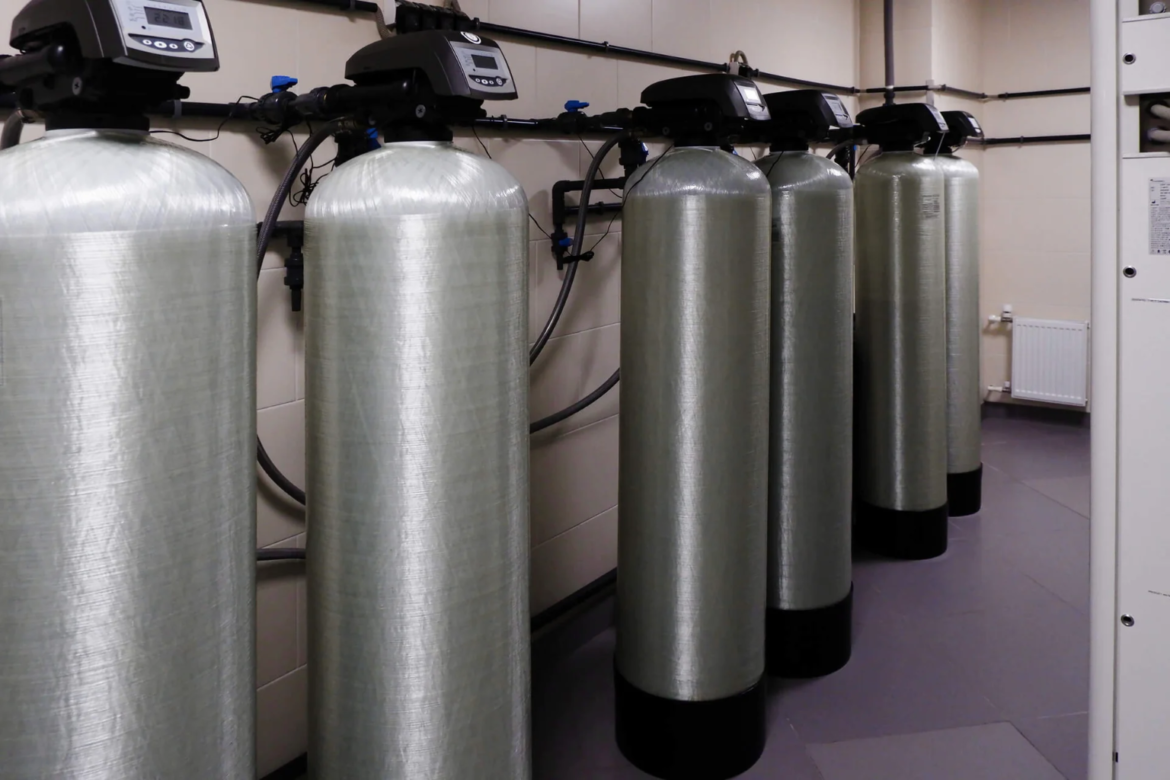
One of the most common solutions homeowners turn to is salt based softeners.
Despite the name, these systems don’t “add salt” to your water in the way many people imagine. They use a process called ion exchange. As water passes through resin beads inside the system, calcium and magnesium ions are swapped out for sodium ions.
The hardness minerals are removed before the water flows through your pipes.
Eventually, the system regenerates using a brine solution, flushing out collected minerals and recharging the resin beads.
It’s a straightforward process. And it’s been used for decades because it’s reliable.
The Energy Factor
Here’s something people often overlook: scale buildup acts as insulation.
When minerals coat a heating element inside your water heater, they prevent heat from transferring efficiently into the water. The system compensates by working longer and harder.
That means higher energy consumption.
Addressing hardness can lead to noticeable efficiency improvement over time. Water heaters operate closer to their intended performance levels. Dishwashers heat more effectively. Laundry cycles run without mineral interference.
It’s not a dramatic overnight change. It’s gradual savings that accumulate month after month.
Plumbing Protection You Don’t See
Pipes hidden behind walls aren’t something we think about—until there’s a problem.
Mineral buildup narrows internal pipe diameter over time. Reduced flow can create pressure imbalances. In older homes especially, scaling can accelerate wear.
Investing in hardness control contributes to long-term plumbing protection, preserving pipe integrity and reducing the likelihood of costly repairs.
You might never “see” the benefit. But your plumber might notice the difference years down the road.
The Skin and Hair Surprise
There’s also the comfort factor.
Hard water often leaves skin feeling tight or dry after showers. Hair can feel dull or weighed down.
When mineral interference decreases, soap rinses more cleanly. Many homeowners describe softened water as feeling smoother—even silky.
It can take a few days to adjust. But once you do, it becomes the new normal.
And going back feels… off.
Maintenance Isn’t Complicated
A common concern about softeners is upkeep.
In reality, maintenance is straightforward. Salt needs replenishing periodically. Systems may require occasional inspection. That’s about it.
Like changing HVAC filters or checking smoke detector batteries, it becomes part of routine home care.
And the payoff—reduced buildup, improved performance—makes it worthwhile for many households.
Is It Always Necessary?
Not every home experiences severe hardness. In some regions, mineral levels are moderate and manageable without intervention.
The smartest starting point is testing. Knowing your hardness level removes guesswork.
If results show minimal mineral content, a softener might not be essential. If levels are high, early action can prevent years of gradual wear.
Water varies by location. Solutions should match reality—not assumptions.
Long-Term Cost Perspective
Think about the appliances in your home: water heater, dishwasher, washing machine.
They’re not small investments.
When scale buildup shortens their lifespan, replacement costs add up quickly.
Softening water doesn’t eliminate all maintenance—but it reduces one significant stressor.
Over a decade, that can mean fewer repairs, fewer premature replacements, and steadier performance.
It’s less about luxury and more about preservation.
A Practical Upgrade
Water is one of the most used resources in any home. It runs through pipes dozens of times a day. It touches nearly every appliance.