At some point, most homeowners hear the term and pause: Do I need one of those?
Maybe it comes up during a plumbing inspection. Maybe a neighbor mentions it after installing one. Or maybe you’re scrubbing white residue off your shower door for the third time this week and wondering what’s going on.
So let’s slow it down and answer the question properly — what is a water softener — without the sales pitch, without the hype, just a real-world explanation.
Because once you understand it, the decision becomes a lot less mysterious.
The Problem Most People Don’t Notice at First
Hard water doesn’t announce itself loudly. It creeps in.
You might notice your soap doesn’t lather quite right. Your towels feel a little stiff. Glassware looks cloudy even after a thorough wash. Faucets develop a chalky ring that refuses to disappear completely.
That’s because many water supplies — especially groundwater — contain elevated levels of calcium and magnesium. These are known as hardness minerals.
They aren’t harmful to drink. In fact, they’re naturally occurring. But once they move through your plumbing, they begin interacting with soap, heat, and surfaces in ways that create buildup and inefficiency.
It’s not dangerous. It’s just inconvenient. Persistently inconvenient.
So What Does a Water Softener Actually Do?
A water softener is designed specifically to address hardness — nothing more, nothing less.
It doesn’t filter out chlorine. It doesn’t remove bacteria. It doesn’t purify water in the same way a reverse osmosis system does.
Instead, it targets calcium and magnesium.
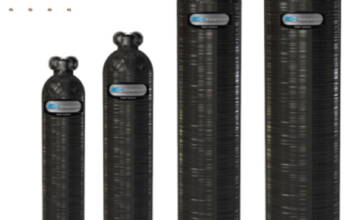
Inside a softener tank are small resin beads that hold sodium or potassium ions. When hard water passes through the system, those resin beads attract the hardness minerals and swap them out.
This is called the ion exchange process.
Calcium and magnesium cling to the resin. Sodium or potassium takes their place in the water. The result is water that behaves differently — it lathers more easily, leaves less residue, and causes fewer scale deposits.
It’s chemistry at work, but the experience feels surprisingly simple.
The Everyday Changes You Notice
Once a water softener is installed and functioning properly, the shifts are subtle but noticeable.
Soap produces more bubbles. Shampoo rinses more cleanly. Showers feel smoother on your skin.
You may find that you use less detergent in laundry and dishwashing. Scale buildup on fixtures slows dramatically. Cleaning feels less like an endless cycle.
And perhaps most importantly, appliances benefit quietly.
Water heaters, dishwashers, and washing machines are less prone to mineral buildup. Heating elements don’t get coated in insulating layers of scale. Over time, this can support efficiency and longevity.
The changes aren’t flashy. They’re functional.
Common Misconceptions
It’s easy to assume a water softener solves every water issue.
But it’s important to keep expectations realistic.
If your water smells like chlorine, a softener won’t fix that. If you’re concerned about contaminants or sediment, you’ll need additional filtration.
Softening addresses hardness specifically.
That clarity matters. Because when homeowners understand what a system is designed to do, they’re less likely to feel disappointed later.
Do You Actually Need One?
That depends on your water.
Hardness is typically measured in grains per gallon (GPG). Levels above 7 GPG are generally considered hard. In some regions, levels exceed 15 or even 20.
Testing your water is the smartest first step. Many local utilities provide reports, and independent test kits are widely available.
If hardness levels are mild, you may decide the benefits don’t justify the cost. If levels are high, the practical advantages become clearer.
It’s a decision grounded in data, not marketing.
Maintenance Isn’t Complicated — But It Is Necessary
Water softeners require periodic salt refills. The system regenerates itself by flushing trapped minerals from the resin beads, preparing them for the next cycle.
Most modern units handle regeneration automatically. Maintenance is straightforward and predictable.
It’s not a set-it-and-forget-it appliance. But it’s not demanding either.
Like most home systems, consistency keeps it running well.
The Comfort Factor
There’s something understated about softened water.
It’s not dramatic. It doesn’t change color. It doesn’t sparkle differently in the glass.
But daily life feels smoother.
Showers leave skin feeling less tight. Cleaning takes less effort. Appliances operate with fewer interruptions.
Over time, these small improvements compound into a noticeably easier routine.
And that ease is what many homeowners appreciate most.
A Final Thought
Understanding what a water softener does — and doesn’t do — removes much of the confusion.
It’s not about transforming water into something exotic. It’s about adjusting its mineral content so it works more harmoniously with your home.
When hardness minerals are managed properly, plumbing systems operate more smoothly, cleaning becomes simpler, and daily comfort improves in quiet, steady ways.