There’s a moment most homeowners have had at least once. You pull a glass out of the dishwasher and hold it up to the light. Instead of sparkling, it’s cloudy. Or maybe you step out of the shower and your skin feels tight, almost squeaky. You shrug it off at first. Bad soap? Cheap detergent? Maybe.
But sometimes, the issue isn’t what you’re using. It’s the water itself.
If you’ve ever wondered what is a water softener, you’re not alone. It’s one of those household systems people talk about casually, yet few really understand until hard water starts leaving its mark — literally.
The Real Story Behind Hard Water
Hard water isn’t dangerous. In fact, it’s incredibly common. It simply means your water contains dissolved minerals, mostly calcium and magnesium. These are what professionals call hardness minerals, and they’re picked up naturally as water travels through soil and rock underground.
The problem isn’t health-related. It’s practical.
When water evaporates, those minerals don’t disappear. They stay behind. That’s why you see white residue around faucets, buildup inside kettles, and stiff towels fresh out of the dryer. Over time, mineral deposits can even affect appliances and plumbing efficiency.
It’s subtle. But persistent.
So, What Does a Water Softener Actually Do?
A water softener doesn’t “purify” water in the traditional sense. It doesn’t remove bacteria or chemicals. Instead, it changes the mineral composition.
Most softeners work through something called the ion exchange process. And while that sounds technical, the idea is fairly straightforward.
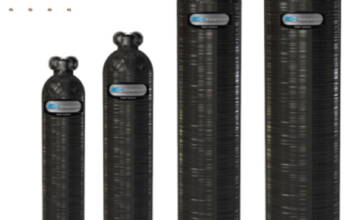
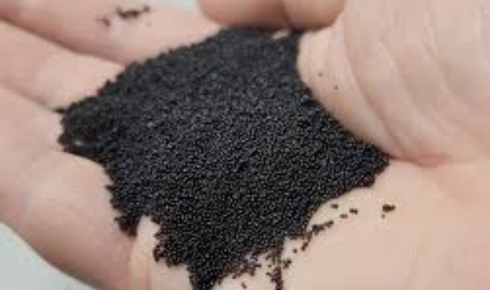
Inside a water softener tank are tiny resin beads. These beads carry a small electrical charge. As hard water flows through the tank, the calcium and magnesium ions are attracted to the resin beads and stick to them. In exchange, the beads release sodium or potassium ions into the water.
In simple terms: the minerals that cause hardness are swapped out for ones that don’t create scale or soap residue.
It’s a quiet, ongoing exchange happening every time you turn on a tap.
Why It Matters in Everyday Life
The benefits of softened water often show up in ways people don’t expect.
Soap lathers more easily. That’s because minerals in hard water interfere with how soap works. Without those minerals, you may even find yourself using less detergent and shampoo.
Shower doors stay cleaner longer. Faucets keep their shine. Laundry feels softer and may last longer because fabric fibers aren’t stiffened by mineral residue.
There’s also the appliance factor. Water heaters, dishwashers, and washing machines all operate more efficiently when scale buildup isn’t clogging their internal components. Over time, that can mean fewer repairs and longer lifespan.
It’s not glamorous. It’s just practical.
Common Misconceptions
Some people worry that softened water tastes salty. In reality, the sodium added during the softening process is minimal for most households. For those on strict sodium diets, potassium-based softeners are often an alternative.
Others assume water softeners are unnecessary if the water looks clear. But hardness doesn’t usually affect color. It’s more about residue and buildup over time.
And then there’s the idea that softeners are complicated to maintain. Modern systems are fairly simple. They require periodic salt refills and occasional servicing, but most homeowners adapt quickly.
Testing Before Deciding
Not every home needs a water softener. The only way to know for sure is to test your water.
Hardness is typically measured in grains per gallon (GPG). Levels above a certain threshold indicate moderate to severe hardness. If you’re experiencing consistent mineral buildup, testing often confirms what your eyes already suspect.
It’s always better to base decisions on data rather than guesswork.
The Environmental and Cost Perspective
Softened water can reduce energy consumption because appliances operate more efficiently. Less scale means heating elements don’t have to work as hard.
There’s also the potential for savings on cleaning products. When soap works properly, you use less of it. That might not seem like much at first, but over time it adds up.
Of course, water softeners themselves are an investment. But for households dealing with high hardness levels, the long-term benefits often outweigh the upfront cost.
A Personal Choice
Deciding whether to install a water softener isn’t about following trends. It’s about how your water affects your daily routine.
Are you constantly scrubbing residue from fixtures? Replacing appliances sooner than expected? Feeling frustrated by stiff laundry or dull hair?
If so, addressing hardness may improve more than just your plumbing.
It may improve your comfort.
Final Thoughts
Water is one of the most used resources in any home, yet it’s often overlooked. When it works as expected, you barely think about it. When it doesn’t, the signs show up everywhere.
Understanding what causes hardness — and how a softener addresses it — empowers you to make informed decisions.
You don’t need to become a chemistry expert. You just need to recognize when your water might be working against you instead of with you.