There’s a particular kind of silence that settles in when your heating system stops working. It’s not just quiet — it’s heavy. You notice the chill first in your hands, then in the air, and suddenly your home doesn’t feel like home anymore. If you’ve ever woken up to a freezing bedroom in the middle of winter, you know the feeling. It’s unsettling, inconvenient, and sometimes downright stressful.
Heating systems rarely fail at a convenient time. They break down during the coldest nights, on weekends, or right before guests arrive. And in that moment, you’re not thinking about technical jargon — you just want warmth back. Fast.
But here’s the thing: not every heating issue is a full-blown disaster. Some problems are small. Others signal deeper trouble. Knowing the difference can save you money, time, and a whole lot of frustration.
The Subtle Signs Before a Breakdown
Most heating systems don’t just quit without warning. They whisper first. A strange rattling sound. A faint burning smell. Rooms heating unevenly. Your thermostat insists it’s 22°C when you’re wrapped in three blankets.
These signs matter.
Modern systems are surprisingly intelligent, but they still rely on mechanical parts — motors, belts, burners, sensors. Over time, wear and tear sets in. That’s where proper diagnostics come in. A skilled technician doesn’t just look at the obvious symptom; they trace the problem to its root. It could be a clogged filter restricting airflow. It might be a failing ignition system. Or perhaps a thermostat misreading temperatures and sending mixed signals.
Good diagnostics aren’t about guesswork. They’re about pattern recognition and experience. And that’s often what separates a quick fix from a recurring nightmare.
When It’s More Than an Inconvenience
Sometimes, though, the system doesn’t whisper. It just stops.
No airflow. No heat. Maybe even a blinking error code you’ve never seen before.
In those moments, speed matters. Especially if you have children, elderly family members, or anyone sensitive to cold temperatures. This is where emergency heating repair becomes more than a service — it becomes essential.
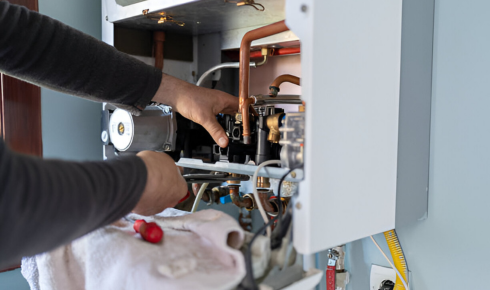
A reputable technician understands urgency. They’ll prioritize safety first, checking for carbon monoxide risks, gas leaks, or electrical faults. Then they move methodically through potential failure points: pilot lights, control boards, heat exchangers. It’s not glamorous work, but it’s precise.
And yes, emergency calls often cost more. But when temperatures drop close to freezing, waiting isn’t always an option. The real key is choosing a provider who’s transparent about pricing and realistic about timelines. No vague promises. No unnecessary upselling.
The Fix Isn’t Always What You Think
One of the biggest misconceptions homeowners have is assuming the worst. “The whole unit must need replacing,” they say. And sometimes, sure, that’s true — especially if your system is over 15 years old and struggling annually.
But more often than not, it’s smaller than that.
Loose wiring. A dirty flame sensor. A worn capacitor. Simple heating fixes can restore full performance without draining your savings. I’ve spoken to technicians who say half their calls involve issues that could have been prevented with regular maintenance — annual servicing, filter replacements, and quick attention to unusual noises.
Preventative care isn’t glamorous either, but it’s effective. Think of it like a yearly check-up for your home. You wouldn’t ignore a strange cough for months, right? Your heating system deserves the same attention.
Maintenance: The Part We All Avoid
Let’s be honest. Most of us don’t think about our heating system until it stops working. It’s tucked away in a basement, garage, or utility closet — out of sight, out of mind.
But regular maintenance changes everything.
A simple inspection once a year can extend the lifespan of your system significantly. Technicians clean burners, inspect heat exchangers, test safety controls, and ensure airflow is balanced. They catch minor issues before they escalate.
And here’s something people rarely consider: a poorly maintained system doesn’t just break more often — it costs more to run. Efficiency drops. Energy bills creep upward. You might blame rising utility rates, but sometimes the culprit is sitting right in your home.
Repair or Replace? The Honest Conversation
Eventually, every heating system reaches its limit. The question becomes: when does repairing stop making sense?
A general rule many professionals follow is the “50 percent rule.” If a repair costs more than half the price of a new system — and the unit is near the end of its lifespan — replacement might be the smarter investment.
But it’s never purely financial. Comfort matters. Reliability matters. If your system fails every winter, the stress alone might justify an upgrade.
That said, beware of blanket recommendations. A trustworthy technician will explain options clearly, outlining pros and cons without pressure. They’ll consider your home’s size, insulation, and heating needs before suggesting anything drastic.
What You Can Do Before Calling a Technician
Before picking up the phone, there are a few safe checks you can make:
- Ensure the thermostat has working batteries.
- Check that the circuit breaker hasn’t tripped.
- Replace or inspect the air filter.
- Confirm vents aren’t blocked by furniture or curtains.
Sometimes, the solution really is that simple.
If those steps don’t work, though, resist the urge to tinker further. Heating systems involve gas lines and high-voltage components. DIY experimentation can quickly turn a minor issue into a serious hazard.
The Human Side of Home Comfort
We talk about heating systems in mechanical terms — furnaces, boilers, ductwork — but at the end of the day, this is about comfort. It’s about stepping into a warm living room after a long day. It’s about your kids playing on the floor without shivering. It’s about peace of mind.
When your heat fails, it disrupts more than temperature. It disrupts routine.
That’s why finding a reliable service provider matters so much. Look for companies with genuine reviews, clear communication, and technicians who take the time to explain what they’re doing. A little transparency goes a long way in building trust.
Staying Ahead of the Cold
The best heating repair is the one you never need.
Schedule annual maintenance before winter hits. Replace filters every few months. Pay attention to changes in sound or performance. Small habits make a big difference.
And if something does go wrong, don’t panic. Most issues are solvable. With proper care, timely service, and informed decisions, your heating system can serve you well for years.
Because when the temperature drops and the wind howls outside, there’s nothing quite like knowing your home will stay warm. And honestly? That kind of reliability is priceless.