Let’s face it—water is something we use without thinking twice. We shower with it, drink it, cook with it, and run it through our appliances every single day. But behind the scenes, what’s actually flowing through those pipes can make a bigger difference in your home than you’d expect. Especially when it comes to hard water.
Hard water might sound like some vague plumbing term, but if you’ve ever noticed crusty buildup on your showerhead or had to replace a water heater earlier than expected, you’ve seen its effects firsthand. And here’s the deal: it’s not just annoying. It’s costing you money, shortening the lifespan of your appliances, and quietly damaging your plumbing infrastructure.
Let’s break this down like a friend would—no fluff, no jargon. Just solid info that’ll help you make smarter choices for your home and your wallet.
What Is Hard Water, Anyway?
Hard water is rich in minerals—mostly calcium and magnesium. Now, minerals aren’t bad per se. In fact, they’re good for your body. But inside your pipes, faucets, and appliances? Not so much.
These minerals love to cling to surfaces, creating that chalky buildup called limescale. It looks ugly, sure. But more than that, it clogs things up. Over time, this can lead to reduced water pressure, less efficient appliances, and even complete system failures.
That’s where scale prevention comes into play. It’s the proactive step that stops all that mineral buildup before it becomes a problem.
The Silent Assassin: What Scale Does to Your Appliances
Let’s say you just bought a shiny new washing machine or a top-of-the-line dishwasher. Naturally, you expect it to last at least a decade, right?
Now imagine mineral scale slowly building up in those machines—on the heating element, in the hoses, around moving parts. It doesn’t happen overnight. But piece by piece, the damage accumulates. The appliance works harder, uses more energy, and wears out sooner.
Suddenly, your “ten-year” appliance is giving up after six.
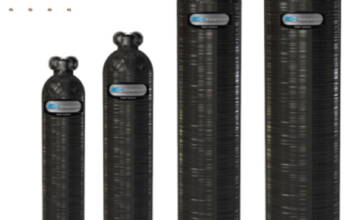
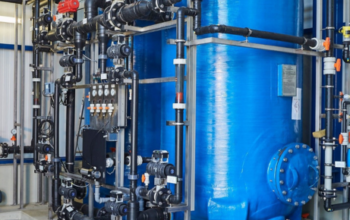
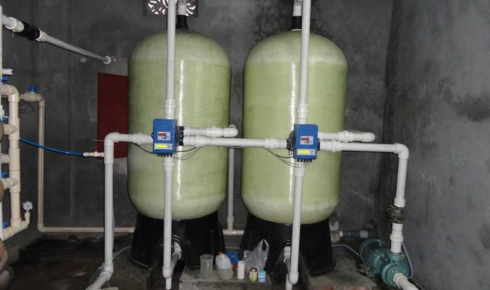
Investing in water treatment systems or descalers is not just about clean fixtures—it’s about prolonged appliance life. You’re not only saving yourself from the inconvenience of frequent replacements, but you’re also protecting your investment.
The Misconception of “Filtered = Softened”
A lot of people confuse water filters with water softeners. It’s understandable—they both make your water “better,” right?
Here’s the difference in plain terms:
- Water filters remove impurities like chlorine, sediments, and sometimes bacteria.
- Water softeners specifically target hardness—those pesky calcium and magnesium minerals.
So yes, your filtered water may taste great. But if it’s still hard? You’re not solving the root problem. You’ll still deal with limescale and reduced appliance efficiency.
If scale is your enemy, then softening is your weapon of choice.
Real Talk: Is It Worth the Investment?
You might be wondering, “Is this one of those things companies just say we need?”
Totally fair question. But consider this:
- Hard water can cut the efficiency of your water heater by up to 30%.
- It leads to higher energy bills because your appliances have to work harder.
- Showerheads, faucets, coffee machines—almost everything water touches is affected.
- You may end up replacing appliances or parts more often than you should.
When you compare that to the cost of a good water softener or descaler (which is a one-time or low-maintenance solution), it’s pretty clear. Prevention is cheaper than cure.
And once you install a system, you’ll likely start noticing improvements within weeks. Softer hair, cleaner dishes, fewer clogs. It’s one of those things you’ll wish you’d done sooner.
Choosing the Right Installation Partner
Now, here’s something people don’t always think about: even the best water treatment system won’t do much good if it’s installed wrong.
You wouldn’t hire someone unqualified to wire your home’s electricity, right? Same principle applies here.
That’s why it’s essential to work with trained installers. These professionals don’t just hook up a machine—they evaluate your home’s plumbing, recommend the best solution for your specific needs, and ensure the system integrates properly.
Cutting corners here might save a few bucks upfront, but could cost you way more in the long run.
The Bonus Perks of Treated Water
Okay, so you’ve addressed the scale issue, and your appliances are running like champs. But there are some low-key perks that come along for the ride too:
- Better skin and hair: Hard water can be harsh, leaving your skin dry and your hair brittle.
- Spotless dishes and glasses: No more white streaks after a dishwasher cycle.
- Clothes that feel softer: Soft water is gentler on fabrics, helping clothes last longer.
- Faster cleaning: Soap and detergents lather better in soft water, meaning you’ll use less and clean faster.
Once you make the switch, you’ll start noticing these quality-of-life upgrades that make daily chores feel less… well, chore-like.
Final Thoughts: It’s the Little Things That Add Up
It’s easy to ignore what you can’t see. After all, scale buildup happens silently inside pipes and behind panels. But the impact is anything but invisible when your appliances start failing or your energy bills rise unexpectedly.
Investing in water treatment isn’t just about clean dishes or shiny faucets—it’s about protecting your home. It’s about peace of mind.
So if you’ve been putting off that water quality upgrade, maybe now’s the time to do something about it.
Start with a water test. Ask questions. And most importantly, trust professionals who know what they’re doing.
Because in the long run, it’s not just about water. It’s about living smarter.